Local
Reigning Champion UCLA Signs No. 2 Recruit Ivanna Wilson Manyacka
A Roundtable is a way to meet new people and discuss this article in person at a local coffee shop or other venue.
Roundtables are designed for groups of four, with a shared subject and room for everyone to speak. Come for discussion, with no dating expectation.
Source: Just Women's Sports
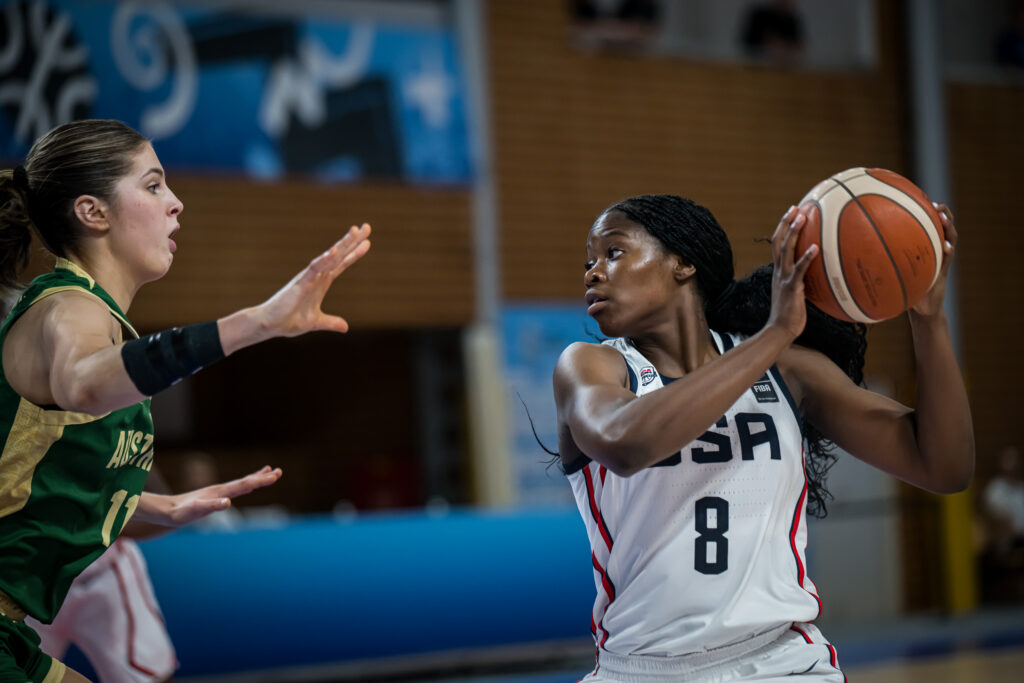
Reigning NCAA women’s basketball champion UCLA added a major piece to its future. Ivanna Wilson Manyacka — ESPN SC Next 100’s No. 2 2027 prospect — signed with the Bruins at the close of the early signing period. The 6-foot-2 Maryland native picked UCLA over finalists Maryland, UConn, Duke, and LSU. Her decision gives UCLA basketball the No. 2 recruiting class in the country. Ivanna Wilson Manyacka Stacks Gold Medals with Team USA Wilson Manyacka arrives with an international resume few recruits can match. This summer, she led Team USA to gold at the 2026 FIBA U-17 Women’s World Cup. She earned tournament MVP honors after averaging 12.9 points, 6.0 rebounds, and 2.6 steals. She also won MVP at the 2025 FIBA U-16 AmeriCup and owns three gold medals with USA Basketball. Maryland’s reigning Gatorade Player of the Year can guard multiple positions while forcing turnovers at a high rate.
This excerpt comes from the named source. Read the original for the full reporting.
Read the original at Just Women's Sports


