Local
Remembering Chemistry Professor Nancy Totah
A Roundtable is a way to meet new people and discuss this article in person at a local coffee shop or other venue.
Roundtables are designed for groups of four, with a shared subject and room for everyone to speak. Come for discussion, with no dating expectation.
Source: Syracuse University News
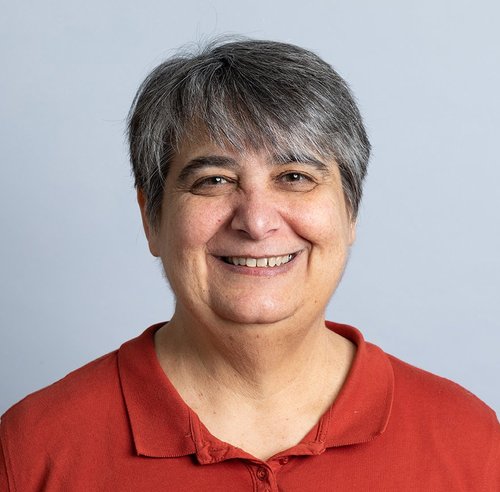
STEM STEM Remembering Chemistry Professor Nancy Totah For more than two decades, Nancy Totah advanced organic chemistry research while inspiring generations of students through her teaching, mentorship and service. Nov. 20, 2026 Estimated Reading Time: Share × Video Player The College of Arts and Sciences (A&S) mourns the loss of Nancy Totah, associate professor of chemistry, who recently passed away. A member of the Syracuse faculty since 2001, Totah was recognized for her contributions to organic chemistry research, her dedication to teaching and mentorship and her service to the University community. Totah held affiliations in biochemistry, biotechnology and the BioInspired Institute at the University. She earned a Ph.D. in organic chemistry from Yale University and a B.S. in biological sciences from California Polytechnic State University.
This excerpt comes from the named source. Read the original for the full reporting.
Read the original at Syracuse University News