Local
Review: Stevie Wonder brings a show of conviction to Chicago in celebration of ‘Songs in the Key of Life’
A Roundtable is a way to meet new people and discuss this article in person at a local coffee shop or other venue.
Roundtables are designed for groups of four, with a shared subject and room for everyone to speak. Come for discussion, with no dating expectation.
Source: Chicago Sun-Times
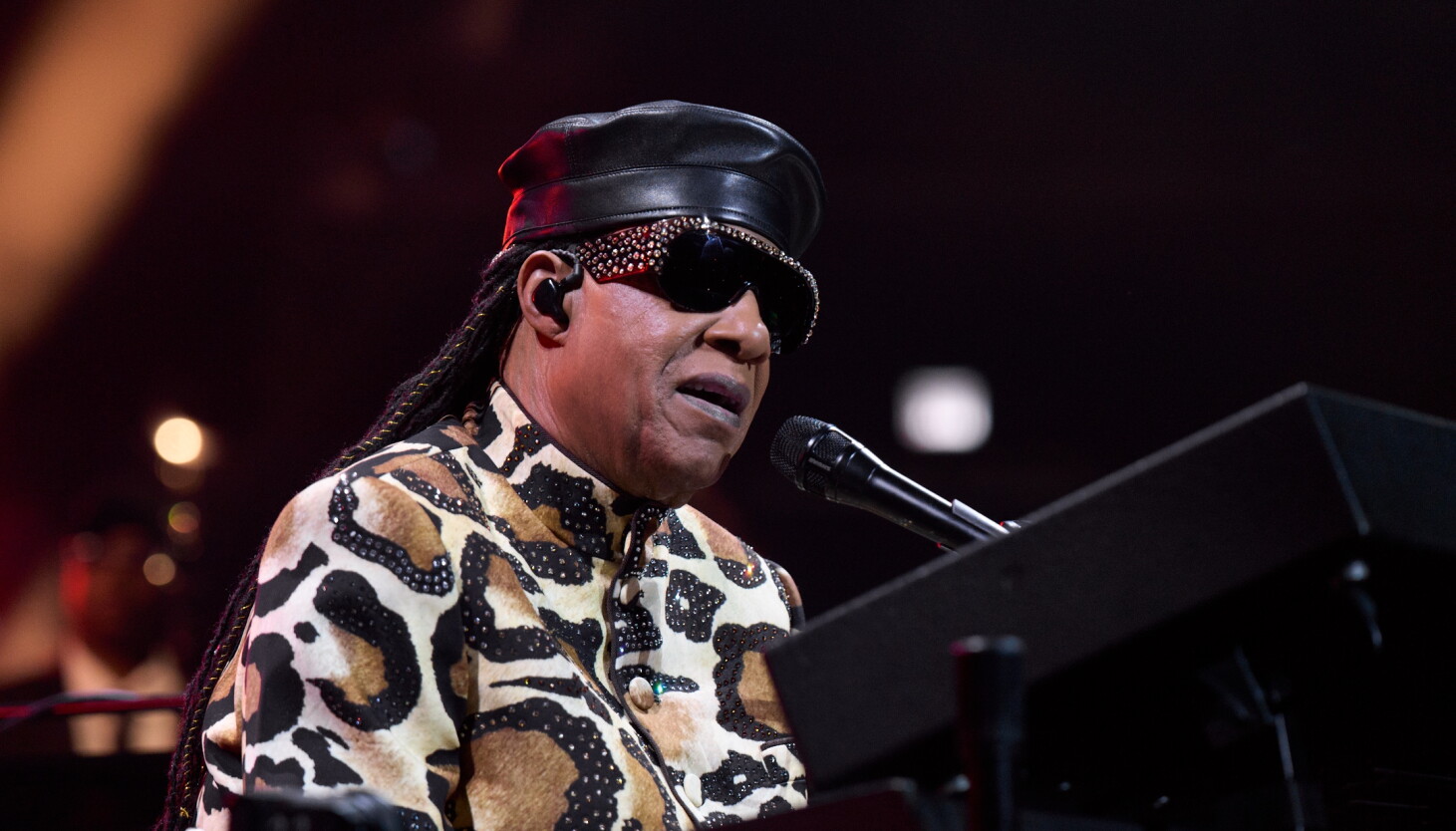
A hush fell over the sold-out crowd at the United Center Saturday night after the opening notes of Stevie Wonder’s “Village Ghetto Land” echoed throughout the venue. The music legend stood to deliver the somber tale of inner-city poverty, altering the lyrics at the end to stress its ongoing relevance. “Still, in 2026, living in village ghetto land,” he sang, and the live strings swelled in agreement. A few songs later, there was another gut punch: During “Pastime Paradise,” the video screen displayed images of 14-year-old Chicagoan Emmett Till, whose racially motivated murder in 1955 helped spur the Civil Rights Movement. Those two moments underscored the intentionality of Wonder’s “‘Songs in the Key of Life’ 50th Anniversary Tour,” celebrating his seminal 1976 album. At 76, the Rock and Roll Hall of Famer could rest on his laurels by retiring or choosing to deliver a simpler presentation of his hits. But, much like his “Sing Your Song!
This excerpt comes from the named source. Read the original for the full reporting.
Read the original at Chicago Sun-Times