Local
Richard Earl Ashley, 93, formerly of Middlebury
Meet in Common connects news with real conversations. Use ThinkMatch to arrange a Roundtable and meet people to discuss this story.
Source: Addison County Independent
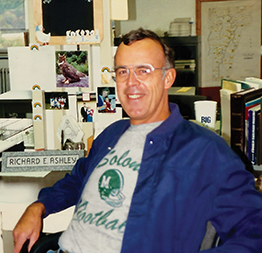
POULSBO, Wash. — Richard “Dick” Earl Ashley, formerly of Middlebury, was born in Duxbury, Vt., Dec 21, 1932, and died in Poulsbo, Wash., Nov. 7, 2026. He was predeceased by his parents, Forrest and Vera (Leslie) Ashley of Waterbury, Vt., and Seminole, Fla. He married Virginia “Ginnie” A. Miles in Waterbury, Vt., July 24, 1954, who survives him. They have two children, Mark Ashley of Sequim, Wash., and Karen Ashley Barcomb of Winooski, Vt.; four grandchildren, Mike (Britany) Ashley of Poulsbo, Wash., and Sarah (Ben) Thomas of Poulsbo, Wash., Chelsea (Max) Campolo of Littleton, Colo., and Stephanie (Vinny) Gagliani of Virginia Beach, Va. He also has six great-grandchildren, Jonathan, Savannah, Joshua and Joseph Michael Thomas, and Brielle and Maverick Ashley. Dick is also survived by his sister, Eileen Ashley Chittick of Naples, Fla.
This excerpt comes from the named source. Read the original for the full reporting.
Read the original at Addison County Independent