Local
Ridegewater College to host Ag Commissioner Thom Petersen
A Roundtable is a way to meet new people and discuss this article in person at a local coffee shop or other venue.
Roundtables are designed for groups of four, with a shared subject and room for everyone to speak. Come for discussion, with no dating expectation.
Source: West Central Tribune
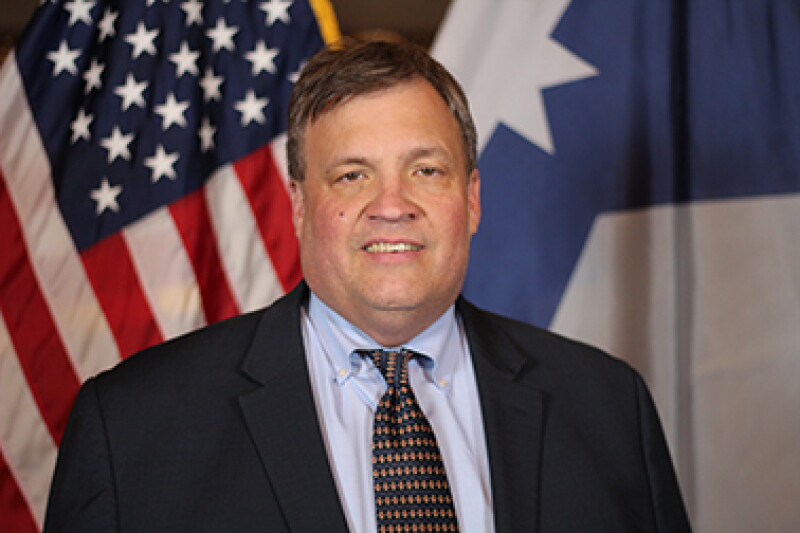
WILLMAR — Ridgewater College will welcome representatives from the Minnesota Department of Agriculture to its Willmar campus on Wednesday, Nov. 25, to commemorate the college’s certification under the Minnesota Agricultural Water Quality Certification Program. During the visit, Agriculture Commissioner Thom Petersen will also speak with second-year agriculture students and serve as a guest judge for the Agriculture Department’s annual pre-Thanksgiving tradition, Pie-A-Palooza, according to a news release from Ridgewater College. The visit highlights Ridgewater College’s ongoing commitment to sustainable farming practices and environmental stewardship. Earning the Minnesota Agricultural Water Quality Certification recognizes agricultural producers and educational farms that implement and maintain approved farm management practices to protect water quality, the news release states.
This excerpt comes from the named source. Read the original for the full reporting.
Read the original at West Central Tribune