Local
Right whales sees population dip
A Roundtable is a way to meet new people and discuss this article in person at a local coffee shop or other venue.
Roundtables are designed for groups of four, with a shared subject and room for everyone to speak. Come for discussion, with no dating expectation.
Source: MV Times
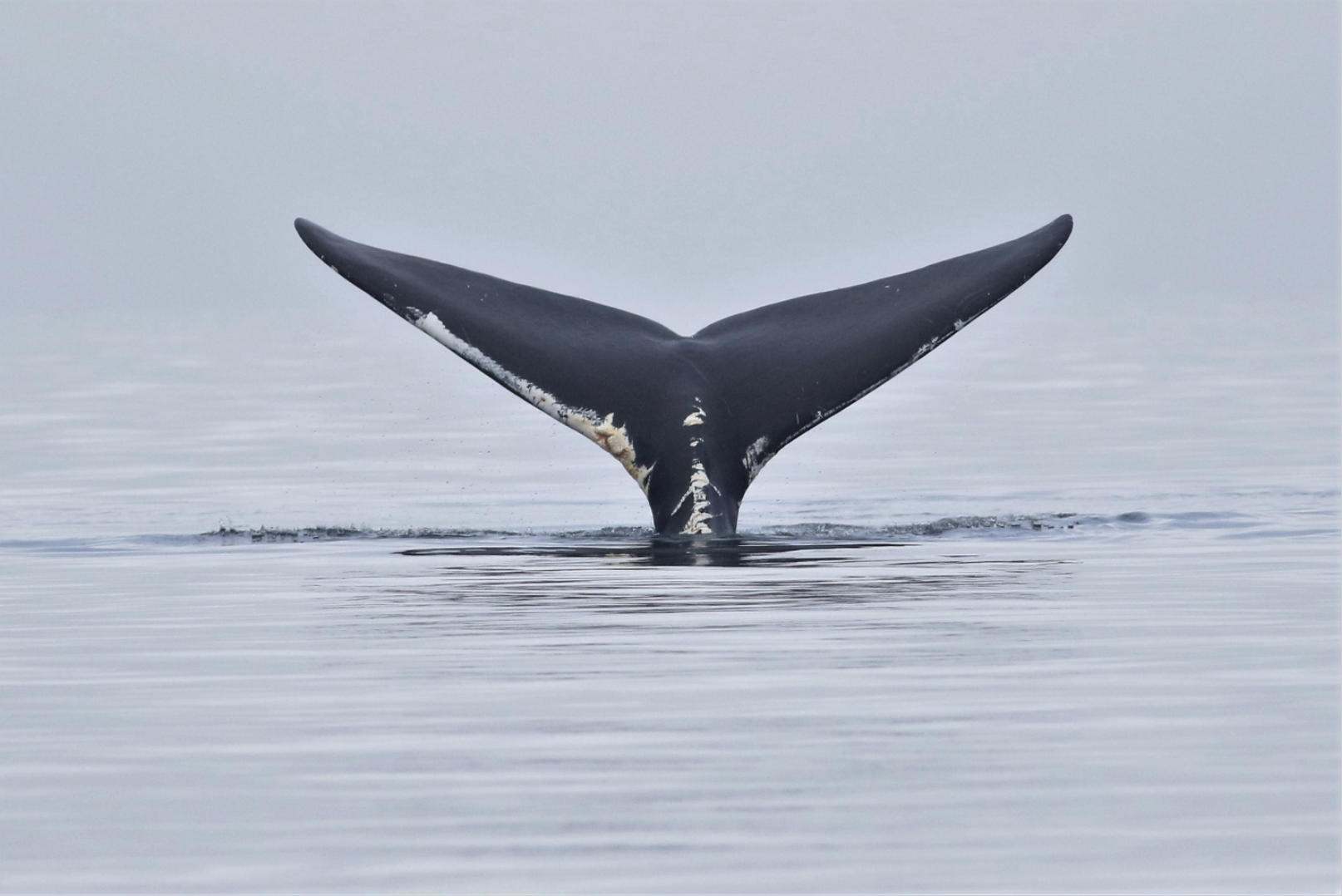
Scientists announced this week that North Atlantic right whales continue to decline in population, despite decades of protection by federal law. And the news comes as some of those safeguards are stripped away. The critically endangered right whales got their name because they were the “right” whales to hunt since they floated to the surface after being killed. But despite lessened threats from whalers, other anthropogenic practices, according to scientists, continue to threaten their existence. North Atlantic right whales can be seen off the coast of the Island, especially in warmer months, and are important to the Wampanoag Tribe of Gay Head (Aquinnah), who see them as relatives. The population estimate for 2025 is 382 whales, a 1.8 percent decline from the 2024 estimate of 389 whales. (Both estimates have a range of error between three and 11 individuals.) The number of reproductive female right whales, however, remains steady at 73.
This excerpt comes from the named source. Read the original for the full reporting.
Read the original at MV Times