Local
Rochester considering temporary ban on data center development
Meet in Common connects news with real conversations. Use ThinkMatch to arrange a Roundtable and meet people to discuss this story.
Source: Post-Bulletin
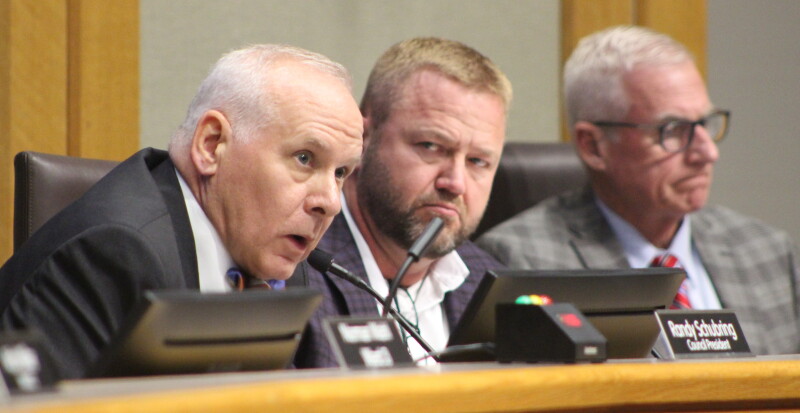
ROCHESTER — A temporary ban on the development of new data centers in Rochester is being proposed. The Rochester City Council will be asked Monday to adopt a temporary ordinance setting a moratorium on development to allow city planning staff to study the issue and potentially propose new regulations. “City teammates have determined that although the Unified Development Code imposes regulations on numerous types of uses throughout the city, it does not clearly impose rules or regulations related to data centers,” Community Development planner Elliot Mohler wrote in a report to the council. Under the proposed moratorium, data centers will include a building or other facility used principally for the storage, management, processing or transmission of digital data, which houses computer or network equipment, systems, services, appliances or other associated components related to digital data operations.
This excerpt comes from the named source. Read the original for the full reporting.
Read the original at Post-Bulletin


