Local
Rockville City Council Lowers Voting Age to 16
Meet in Common connects news with real conversations. Use ThinkMatch to arrange a Roundtable and meet people to discuss this story.
Roundtables are designed for groups of four, with a shared subject and room for everyone to speak. Come for discussion, with no dating expectation.
Source: notus.org
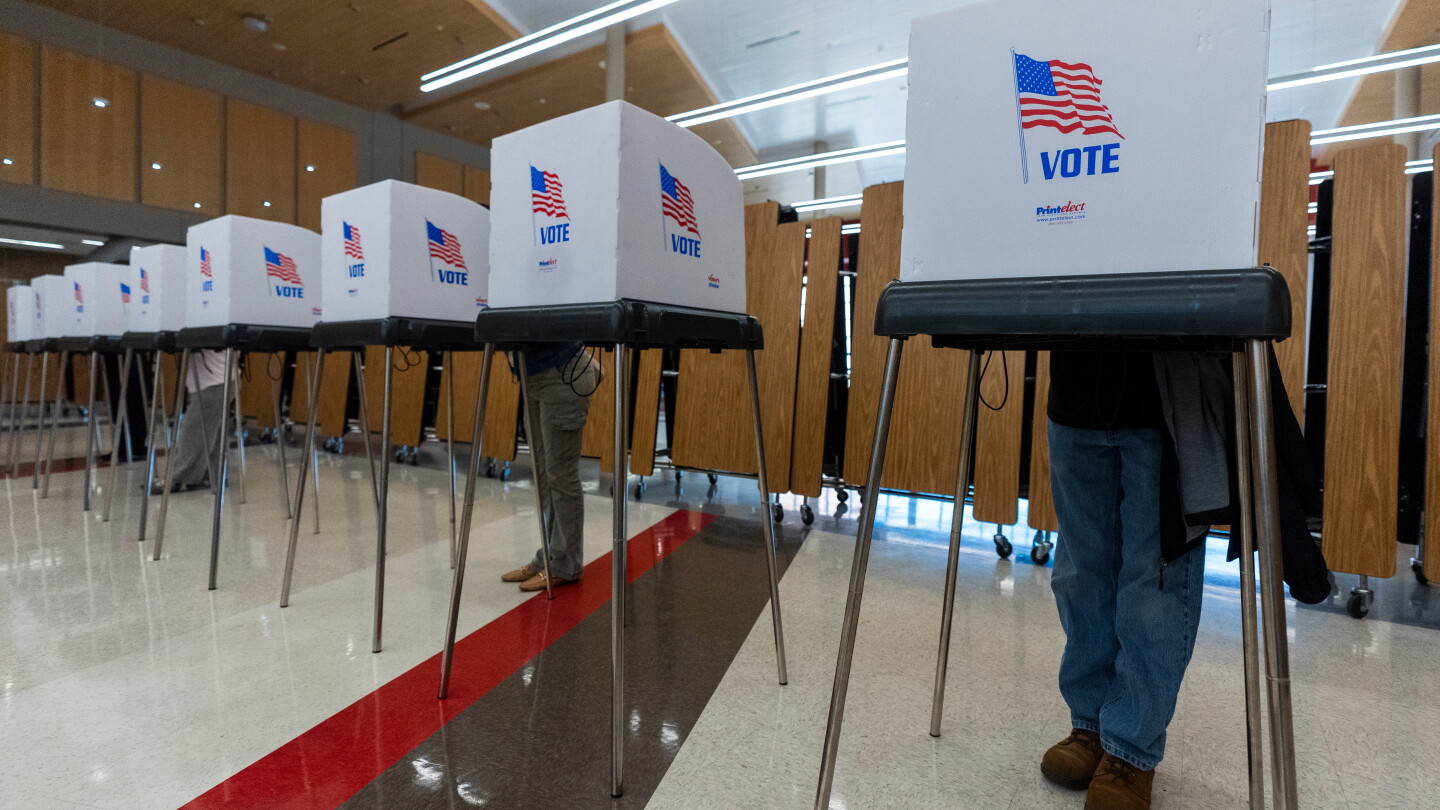
Starting next year, 16- and 17-year-olds will be allowed to vote in Rockville municipal elections, a change that supporters say will increase youth civic engagement but residents voted against three years ago. The Rockville City Council voted 5-2 on Monday night to approve the resolution lowering the city’s voting age from 18 to 16, putting Rockville among 11 other Maryland cities that have done the same. Council member Izola Shaw, who has advocated for the change since 2021, when she chaired the Charter Review Commission, said during the meeting that the resolution would let young people in Rockville know they belong in the city and that their voice matters. “Sixteen- and 17-year-olds work, they pay taxes, they help support their families, they use city resources and they will live the longest with our decisions about housing, policing, long-term debt, the environment and Rockville’s future,” she said.
This excerpt comes from the named source. Read the original for the full reporting.
Read the original at notus.org