Local
Ronelva Ann Scates, 95, Arnold
A Roundtable is a way to meet new people and discuss this article in person at a local coffee shop or other venue.
Roundtables are designed for groups of four, with a shared subject and room for everyone to speak. Come for discussion, with no dating expectation.
Source: Leader Publications
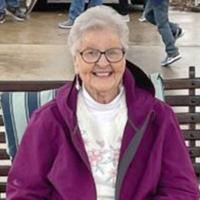
Ronelva Ann “Ronnie” “Ann” Scates, 95, of Arnold died Oct. 22, 2026. Mrs. Scates graduated in April 1949 from Rombauer High School in Rombauer. She had been a member of First Baptist Church of Arnold since 1963. Born Feb. 28, 1931, in Oak Lawn, Ill., she was the daughter of the late Roy and Anna Corder. She was preceded in death by her husband of 60 years: Clifford Eugene Scates, whom she married on Aug. 19, 1949, at the First Presbyterian Church in Poplar Bluff. She is survived by two children: Janice “Jan” (the late Hank) Varner of Keokuk, Iowa, and Cynthia “Cindy” (Terry) Livell of Arnold; six grandchildren: Earl Varner, Brent (Rita) Varner, Clinton Wooldridge, Julie (Willie) Donald, Scott Wooldridge and Jenny Wooldridge; and eight great-grandchildren: Sydney Wooldridge, Austin Wooldridge, McKenzie Hunter, Lilyann Varner, Landen Varner, Louis Varner, Gibson Donald and Gordon Donald.
This excerpt comes from the named source. Read the original for the full reporting.
Read the original at Leader Publications