Local
Rosemary can suffer more from overwatering than from fall cold: The warning sign to watch for
Meet in Common connects news with real conversations. Use ThinkMatch to arrange a Roundtable and meet people to discuss this story.
Roundtables are designed for groups of four, with a shared subject and room for everyone to speak. Come for discussion, with no dating expectation.
Source: Meteored United States
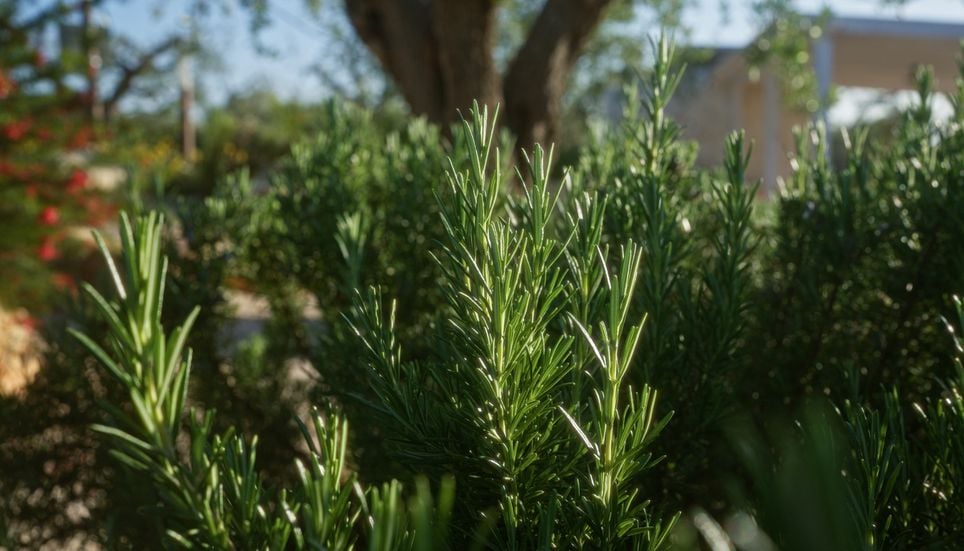
Although rosemary tolerates cooler fall temperatures well, overwatering can put it at risk. Learning to recognize the warning signs is essential for its survival. Rosemary is one of the most traditional and resilient aromatic plants found in gardens and vegetable plots. Its ability to withstand periods of drought and adapt to different climatic conditions makes it a popular choice for terraces, patios, and gardens. However, when fall arrives, one problem can threaten its survival: overwatering. Although cooler temperatures often concern gardening enthusiasts, this plant can suffer much more from excessively wet soil than from moderate cold. Overwatering: Rosemary's biggest enemy in fall Rosemary, scientifically known as Salvia rosmarinus, is a species native to the Mediterranean region. It is adapted to growing in dry, well-drained soil with plenty of sunlight. For this reason, its water requirements are relatively low, especially once the plant is established.
This excerpt comes from the named source. Read the original for the full reporting.
Read the original at Meteored United States