Local
Rudy Sarzo Says John Torra Proved He Could Handle Quiet Riot's Vocal Demands in Two Days
Meet in Common connects news with real conversations. Use ThinkMatch to arrange a Roundtable and meet people to discuss this story.
Roundtables are designed for groups of four, with a shared subject and room for everyone to speak. Come for discussion, with no dating expectation.
Source: Metalhead Zone
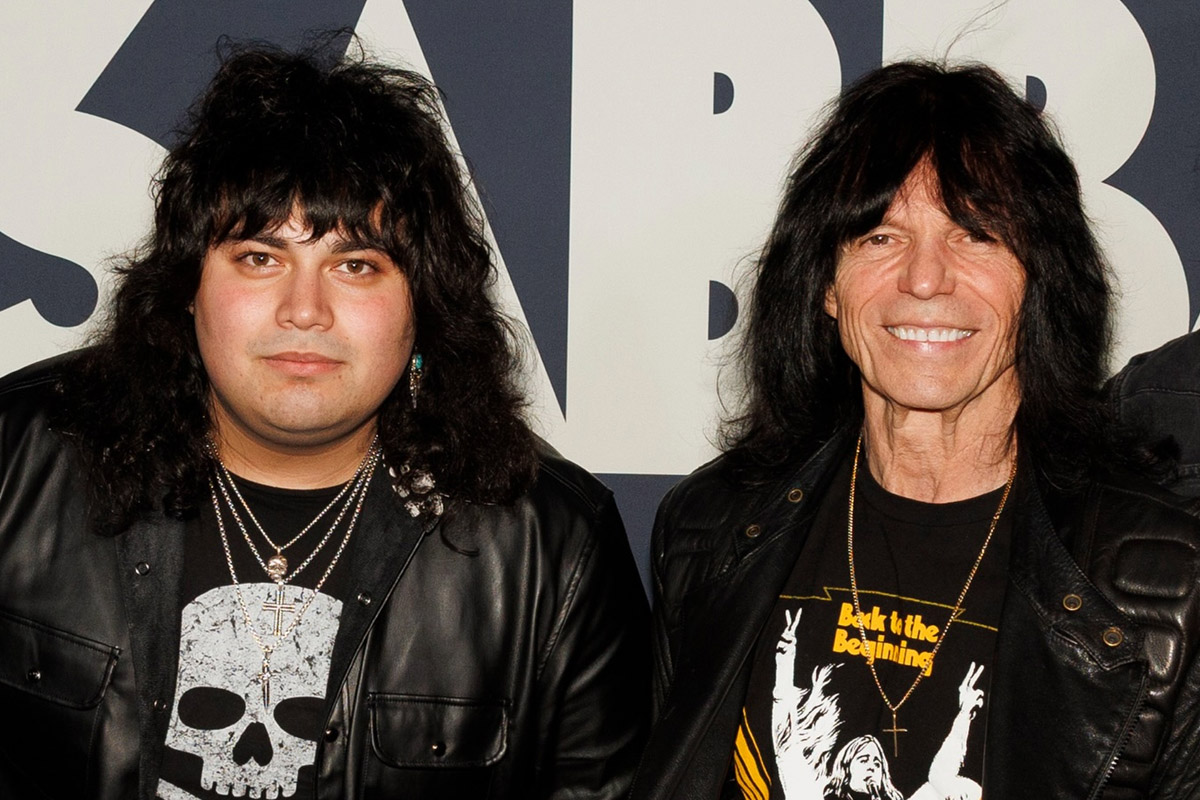
Quiet Riot bassist Rudy Sarzo explained that the band’s new singer John Torra demonstrated he could handle the vocal demands of the band’s material during a two-day audition, speaking on The Metal Coach. Sarzo was asked how the band found Torra after their previous singer left. The bassist said the search for a replacement was complicated by a 90-day notice period, during which the band had to tour with the departing vocalist before Torra could join permanently. Question: “So, also, you know, you found a new singer recently, an incredible singer, John Torra. How did you find him?” “Well, what happened was that we found out that our previous singer was leaving when he posted on social media,” Sarzo said. “And of course when we officially that he was leaving the band.
This excerpt comes from the named source. Read the original for the full reporting.
Read the original at Metalhead Zone