Local
Sales tax increase passes easily in Richmond, narrowly in Chesterfield
A Roundtable is a way to meet new people and discuss this article in person at a local coffee shop or other venue.
Roundtables are designed for groups of four, with a shared subject and room for everyone to speak. Come for discussion, with no dating expectation.
Source: The Richmonder
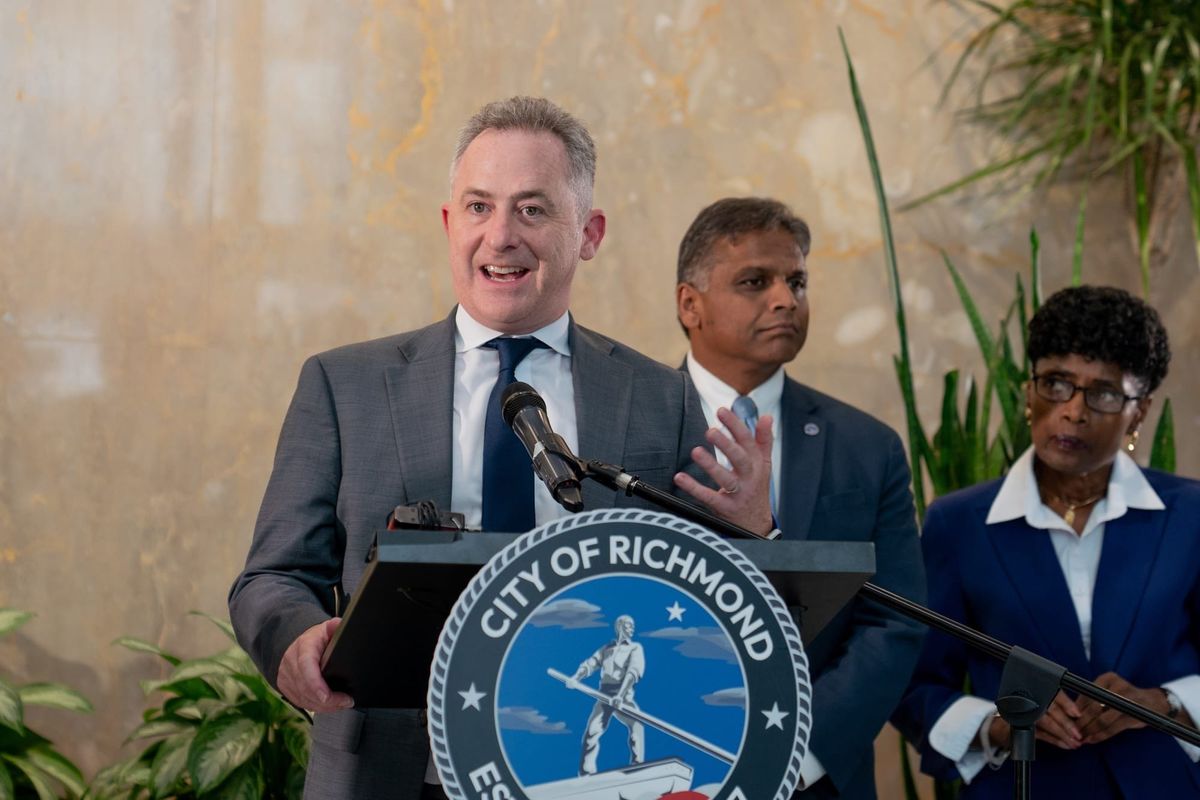
Richmond and Chesterfield both approved a 1% increase in sales tax to fund school construction and renovation on a night where the ballot measure was wildly unpopular statewide. Statewide, 47 localities put the measure on the ballot, and it was rejected in 32 of those localities. In Richmond, the measure passed across age and race demographics, with only five largely wealthy precincts voting against it in the Near West End, Windsor Farms and Stratford Hills. "I am deeply grateful for every volunteer and every voter who made this possible," Mayor Danny Avula said in a statement. "My team is committed to working with our Council colleagues and RPS to be good stewards for what voters have entrusted us with." The city is expected to issue bonds to borrow against the next 20 years of revenue that the tax will generate, so the money can be spent in a one-time lump sum instead of over the next two decades.
This excerpt comes from the named source. Read the original for the full reporting.
Read the original at The Richmonder


