Local
San Francisco Embarcadero Floods as Tides Peak 2 Feet Above Normal | KQED
Meet in Common connects news with real conversations. Use ThinkMatch to arrange a Roundtable and meet people to discuss this story.
Source: KQED
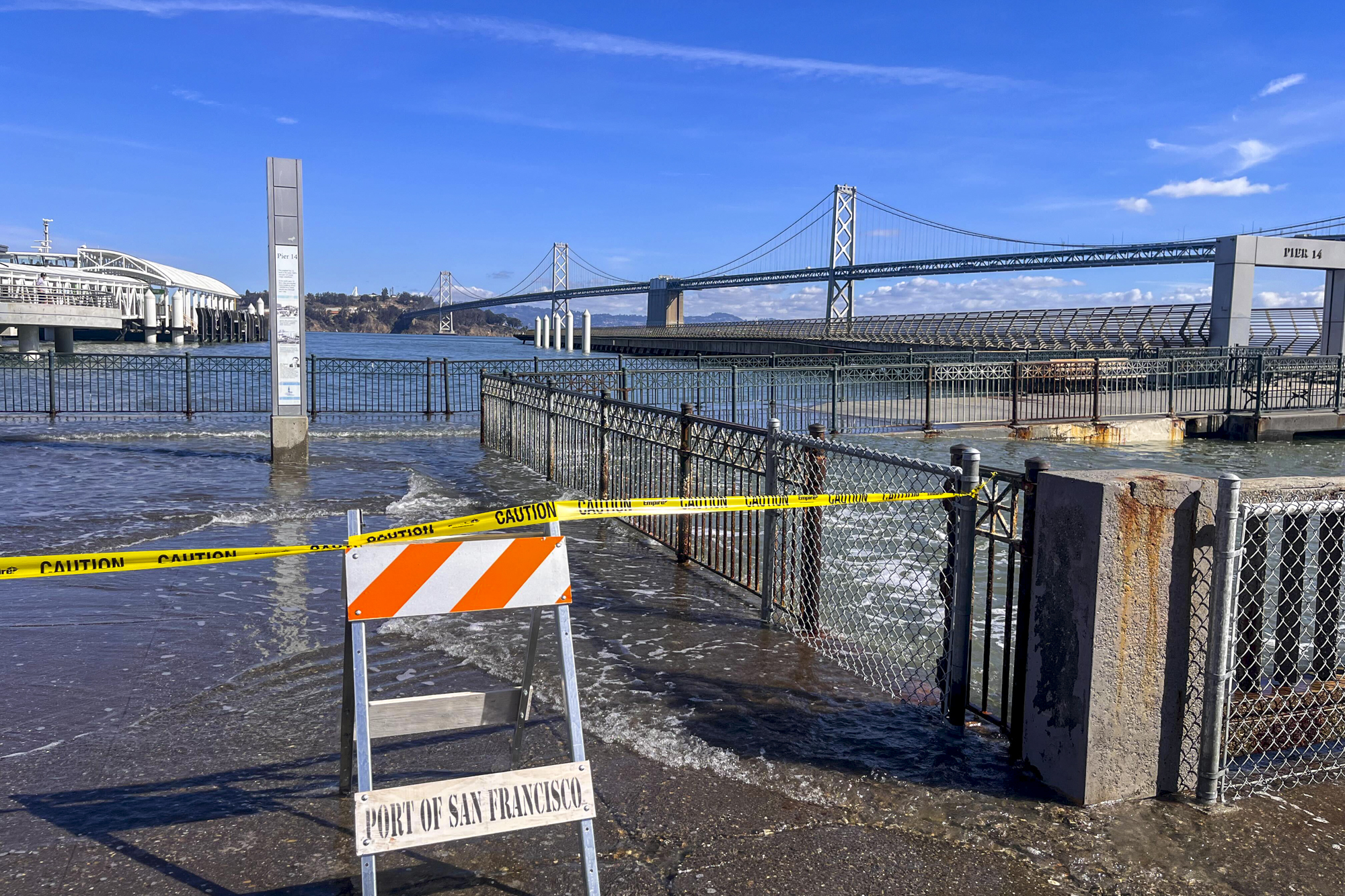
The National Weather Service issued a coastal flood advisory for low-lying regions across the Bay Area on Tuesday. Tides peaked at 2.1 feet above normal and are expected to reach above 1.9 feet above normal on Wednesday, according to the NWS Bay Area’s daily forecast discussion. The worst flooding from the high tides is expected along bayshore Marin County, with NWS noting numerous reports of flooding coming in over the last few days. Along the Embarcadero in San Francisco, residents stopped by caution tape to photograph the flooding, which forced the city to close part of the sidewalk and the bike lane. Eric Young, a spokesperson for the Port of San Francisco, said the city is experiencing abnormally high tides due to the upcoming El Niño. “What happens with El Niño is there’s a warming trend in the water,” Young said.
This excerpt comes from the named source. Read the original for the full reporting.
Read the original at KQED


