Local
San Francisco’s Breakup With PG&E Could Cost $22.5 Billion, Utility Tells State | KQED
Meet in Common connects news with real conversations. Use ThinkMatch to arrange a Roundtable and meet people to discuss this story.
Source: KQED
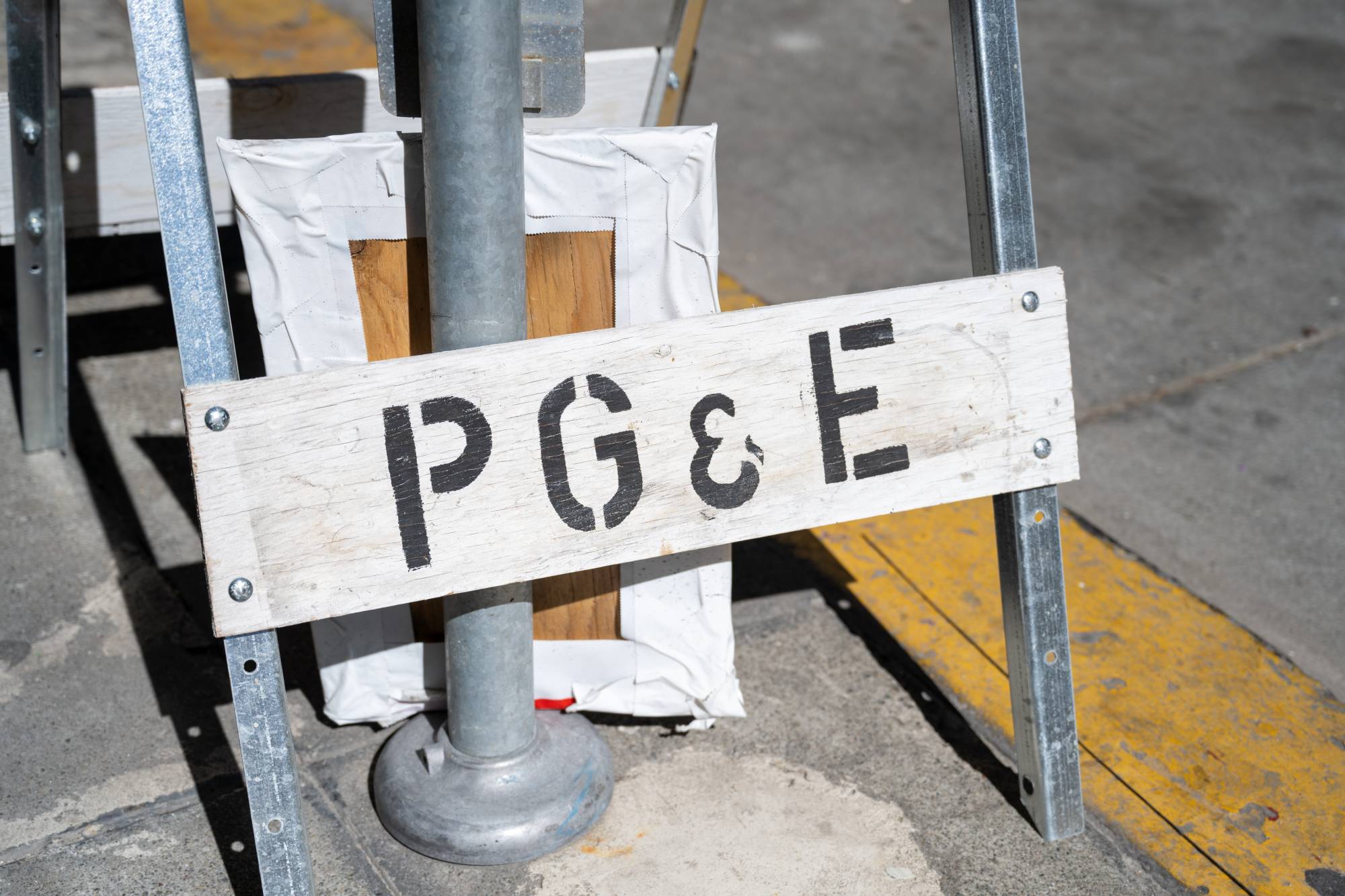
A government takeover of PG&E’s grid in San Francisco comes with a whopping $22.5 billion price tag, the company told state regulators on Tuesday. PG&E said in testimony to the California Public Utilities Commission, which determines the value of the company’s assets, that the move to a government-run utility would incur costs of $13.9 billion for electric and property assets in the city, $7.6 billion in damages for business severance and $1 billion for physical separation severance. The costs are significantly more than San Francisco’s earlier valuation of around $3.4 billion, which the company said only includes fair-market value of assets. City Attorney David Chiu said the company’s asking price is bold after the city experienced 40 large-scale blackouts — roughly one a week — since a huge outage hit more than 100,000 residents last December. “A utility with a financial interest in protecting its monopoly doesn’t have the last word on what its assets are worth.
This excerpt comes from the named source. Read the original for the full reporting.
Read the original at KQED