Local
Scott Taylor: The messages and ‘miracle’ of children’s sacrament meeting presentations
A Roundtable is a way to meet new people and discuss this article in person at a local coffee shop or other venue.
Roundtables are designed for groups of four, with a shared subject and room for everyone to speak. Come for discussion, with no dating expectation.
Source: Church News
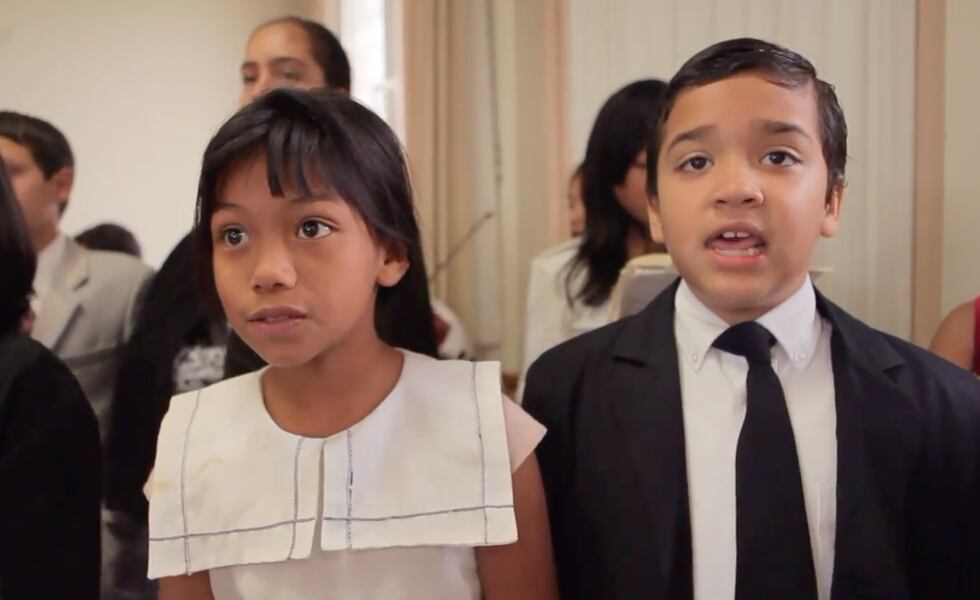
Around the globe this time of year, children’s sacrament meeting presentations are concluding with young children beaming from their annual participation in word and song. And grateful Primary presidencies and teachers are heralding — in the vernacular — “the miracle of the Primary program.” It seems to be an annual refrain. These ward and branch children’s sacrament meeting presentations are normally held during the latter part of each year, under the direction of the bishop or branch president (see General Handbook 12.1.6). The presentation, which follows the administration of the sacrament, provides an opportunity for Primary children to share what they’ve learned from gospel study in the home and at church as well as sing Primary songs they’ve learned during the year. The Primary presidency and music leader prayerfully plan the presentation. Children may sing, give talks or share stories, scriptures or testimonies.
This excerpt comes from the named source. Read the original for the full reporting.
Read the original at Church News