Local
Seattle City Councilmember Dan Strauss statement after council upholds mayor veto of RV legislation - Seattle City Council Blog
A Roundtable is a way to meet new people and discuss this article in person at a local coffee shop or other venue.
Roundtables are designed for groups of four, with a shared subject and room for everyone to speak. Come for discussion, with no dating expectation.
Source: Seattle City Council Blog (.gov)
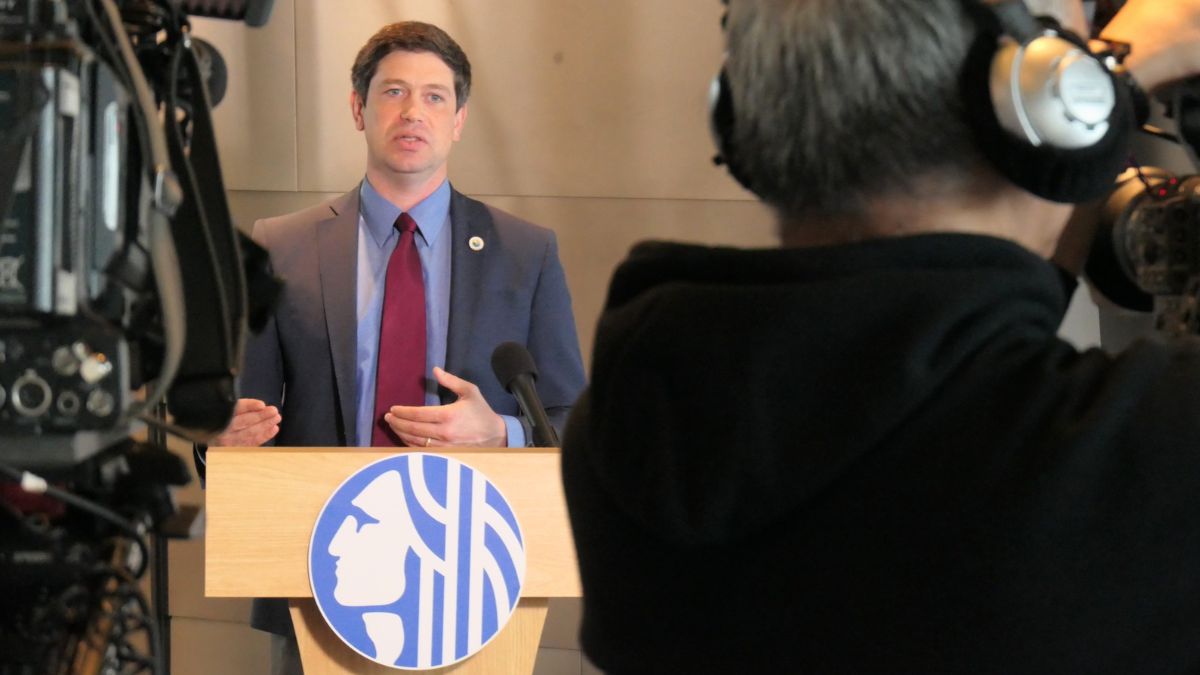
Councilmember Dan Strauss (District 6) released the following statement after the Seattle City Council voted 5-4 to override Mayor Katie Wilson’s veto of CB 121283, one vote short of the required six votes to override the veto. That legislation was part of the Vehicle Resident Assistance Program (VRAP) the City Council passed on Oct. 20. “This legislation has always been about creating a clear road to housing for people who live in RVs. It’s about ensuring people who currently live in them can continue doing so until they can get into appropriate shelter and about creating clear boundaries around what types of vehicles are appropriate on our streets. “The status quo is not working — it’s not working for people living in RVs and it’s not working for their neighbors. I am proud that five of the other six pieces of VRAP legislation to cut red tape, create more services, and address junk vehicles have been passed into law. That’s progress.
This excerpt comes from the named source. Read the original for the full reporting.
Read the original at Seattle City Council Blog (.gov)