Local
Second Chance Homes partners celebrate first renovated home in Chisholm
Meet in Common connects news with real conversations. Use ThinkMatch to arrange a Roundtable and meet people to discuss this story.
Roundtables are designed for groups of four, with a shared subject and room for everyone to speak. Come for discussion, with no dating expectation.
Source: BusinessNorth
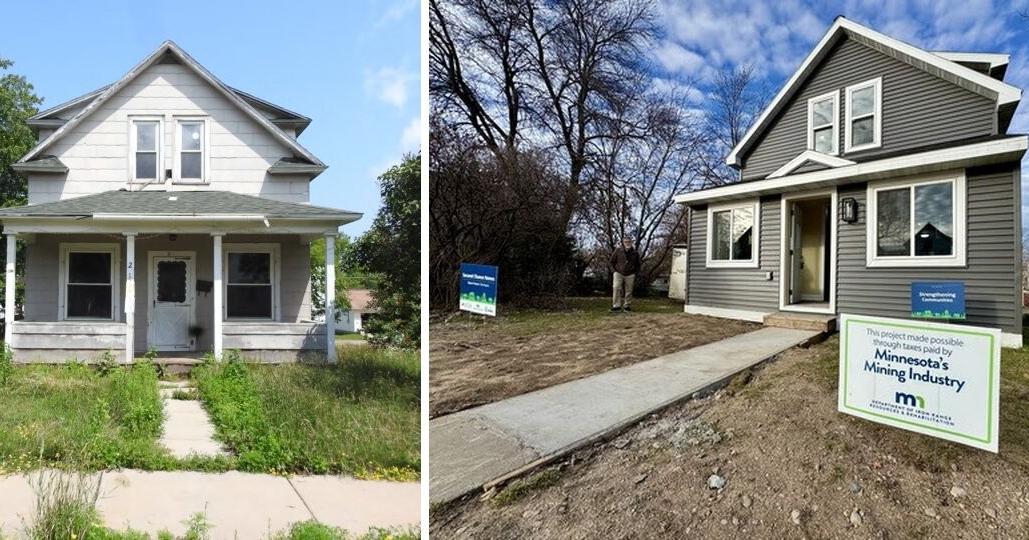
CHISHOLM, Minn. – Iron Range Resources & Rehabilitation (IRRR), Arrowhead Economic Opportunity Agency (AEOA) and St. Louis County celebrated the completion of the first renovated home through the Second Chance Homes pilot program Nov. 10 in Chisholm. Project partners and elected officials marked the milestone with a press conference at 214 Second St. SW, followed by a public open house. Visitors toured the home and viewed before-and-after photos highlighting its transformation. The first phase involves rehabilitating four formerly tax-forfeited homes in Chisholm, Eveleth and Aurora that were vacant when the program began. IRRR contributed a $250,000 Housing grant. Together with investments from AEOA, the Minnesota Department of Employment and Economic Development and St. Louis County, total project funding exceeded $1.2 million. These projects also were supported by the cities of Chisholm, Eveleth and Aurora.
This excerpt comes from the named source. Read the original for the full reporting.
Read the original at BusinessNorth