Local
Senate passes energy permitting reform overhaul despite alarms that it will sacrifice public lands to development
A Roundtable is a way to meet new people and discuss this article in person at a local coffee shop or other venue.
Roundtables are designed for groups of four, with a shared subject and room for everyone to speak. Come for discussion, with no dating expectation.
Source: Eagle Valley Enterprise
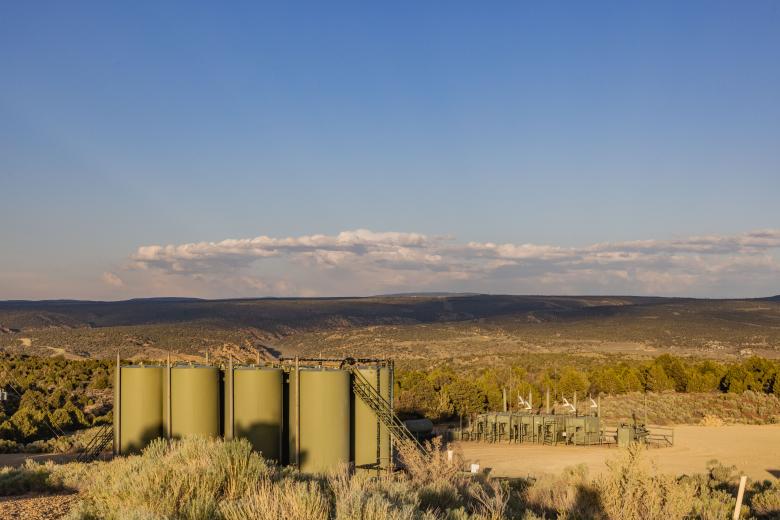
The U.S. Senate has passed a bill that would overhaul federal permitting processes for energy projects despite significant pushback from tribes and environmental groups over how it would limit public feedback and encourage development on public lands. After passing 62-33 — with Colorado’s Democratic Senators split in the vote — it will now head to the House of Representatives. Known as the Bipartisan American Affordability and Jobs Act of 2026, or BAAJA, the measure would alter processes under several bedrock environmental laws to make development easier and faster. This includes substantial changes to the Clean Water Act, the Endangered Species Act, the National Environmental Policy Act and National Historic Preservation Act. Advocates of the bill have said it will bring overdue changes to permitting that will lower energy costs, bring new jobs and needed infrastructure and accelerate energy projects.
This excerpt comes from the named source. Read the original for the full reporting.
Read the original at Eagle Valley Enterprise