Local
Sexism and racism took big hits in November election
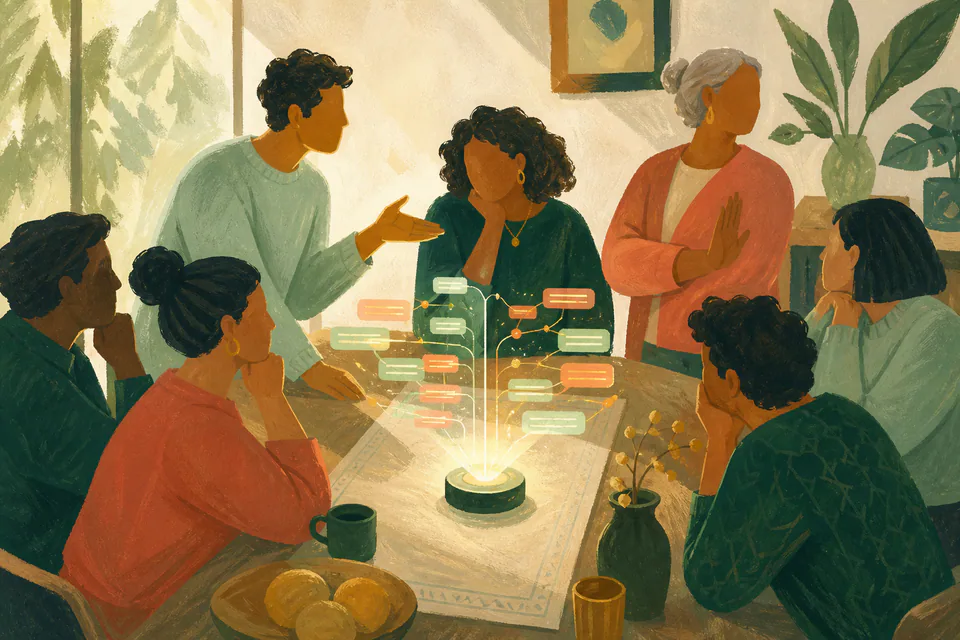
A Roundtable is a way to meet new people and discuss this article in person at a local coffee shop or other venue.
Roundtables are designed for groups of four, with a shared subject and room for everyone to speak. Come for discussion, with no dating expectation.
Source: Bangor Daily News

The BDN Opinion section operates independently and does not set news policies or contribute to reporting or editing articles elsewhere in the newspaper or on bangordailynews.com Margaret Cruikshank, formerly a women’s studies lecturer at the University of Maine, lives in a retirement community in Scarborough. For me, the most exciting part of the blue tsunami was the many surprising victories by women, especially by women of color. After two years of ugly comments by President Donald Trump insulting women, voters roared back. Sexism and racism took big hits. Unfortunately, the president seems incapable of understanding the election results and will quite likely continue to disparage women reporters in the mercifully short time he has left to strut upon the stage. But those two years may seem interminable. Voters chose unusually qualified women (and men too). Keisha Lance Bottoms was mayor of Atlanta before becoming governor-elect of Georgia.
This excerpt comes from the named source. Read the original for the full reporting.
Read the original at Bangor Daily News