Local
Shalom Wildlife Sanctuary files defamation suit against woman
Meet in Common connects news with real conversations. Use ThinkMatch to arrange a Roundtable and meet people to discuss this story.
Roundtables are designed for groups of four, with a shared subject and room for everyone to speak. Come for discussion, with no dating expectation.
Source: Greater Milwaukee Today
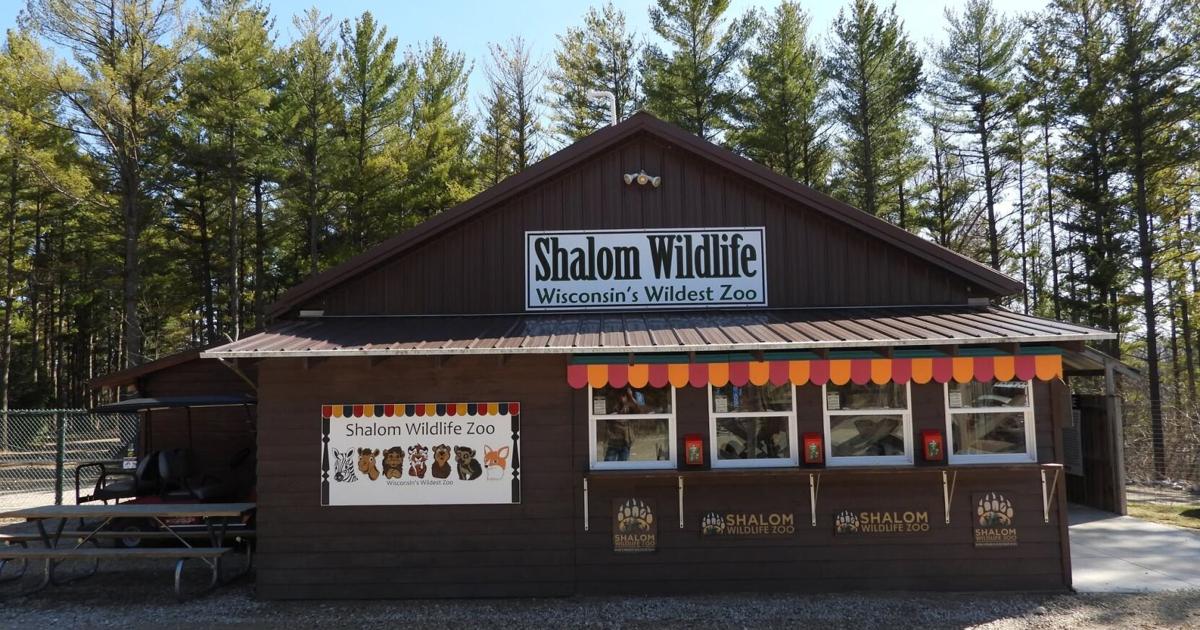
TOWN OF FARMINGTON — David and Lana Fechter, owners of Shalom Wildlife Zoo, have filed a lawsuit against Jeneva Nerge, aka Jeneva Rose, this week for defamation for claims made against recent actions the zoo has taken.This action was sparked during events that occurred over the course of a legal battle with the zoo that was resolved in July. Shalom was sued by Nerge’s husband, Andrew Willets, and We Love Farmington, an organized group of neighbors, due to issues they had with Shalom’s conditional use permit, which had been approved by the township in January 2025. Farmington then amended its zoning ordinances to allow for zoological activities in agricultural districts on Dec.
This excerpt comes from the named source. Read the original for the full reporting.
Read the original at Greater Milwaukee Today