Local
Shenandoah Valley fire departments receive free carbon monoxide detectors for residents
A Roundtable is a way to meet new people and discuss this article in person at a local coffee shop or other venue.
Roundtables are designed for groups of four, with a shared subject and room for everyone to speak. Come for discussion, with no dating expectation.
Source: WHSV
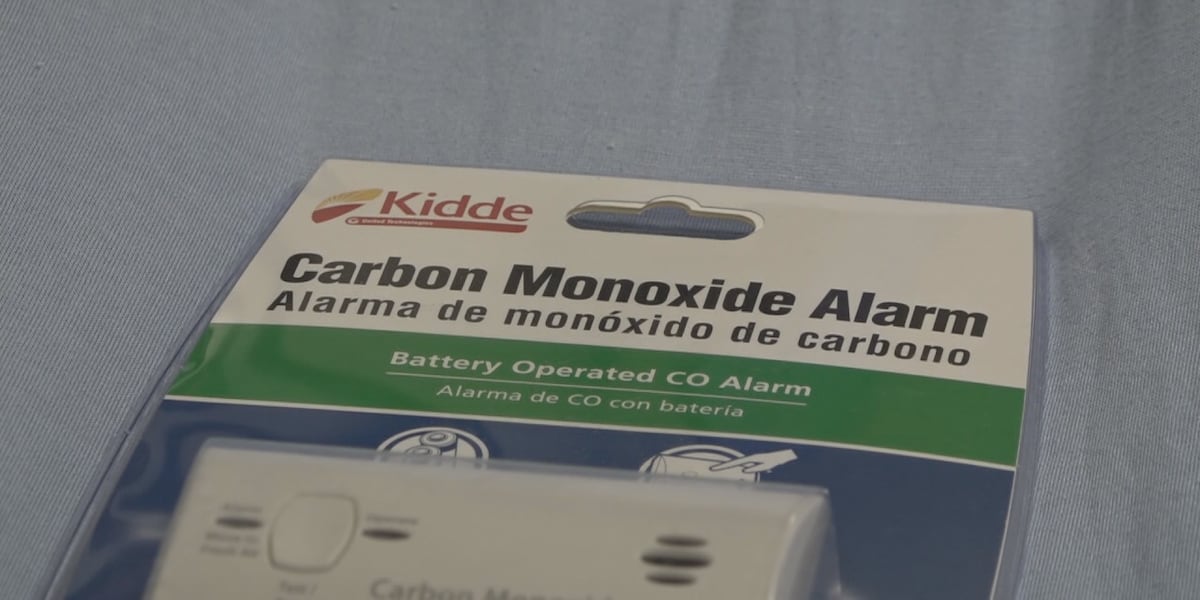
HARRISONBURG, Va. (WHSV) - November is Carbon Monoxide Awareness Month, and local fire departments across the Shenandoah Valley are helping ensure residents have life-saving detection equipment in their homes. Through its Carbon Monoxide Alarm Distribution Program, Columbia Gas of Virginia., through the NiSource Charitable Foundation — in partnership with the Virginia Fire Chiefs Association — distributed nearly 600 detectors to 15 fire and emergency departments across the Commonwealth. Among the recipients were fire departments in Staunton, Shenandoah County, and Harrisonburg. Officials say the free alarms are aimed at protecting vulnerable families before dangerous exposure occurs. “Carbon monoxide is an odorless, tasteless gas. You don’t know that it’s a problem until you start feeling the symptoms, which means you’ve already been exposed to it,” said Luke Walker, Chief Deputy Fire Marshal for the Harrisonburg Fire Department.
This excerpt comes from the named source. Read the original for the full reporting.
Read the original at WHSV
