Local
Siloam Springs shooting suspect waives extradition, agrees to return to Arkansas
Meet in Common connects news with real conversations. Use ThinkMatch to arrange a Roundtable and meet people to discuss this story.
Roundtables are designed for groups of four, with a shared subject and room for everyone to speak. Come for discussion, with no dating expectation.
Source: khbs
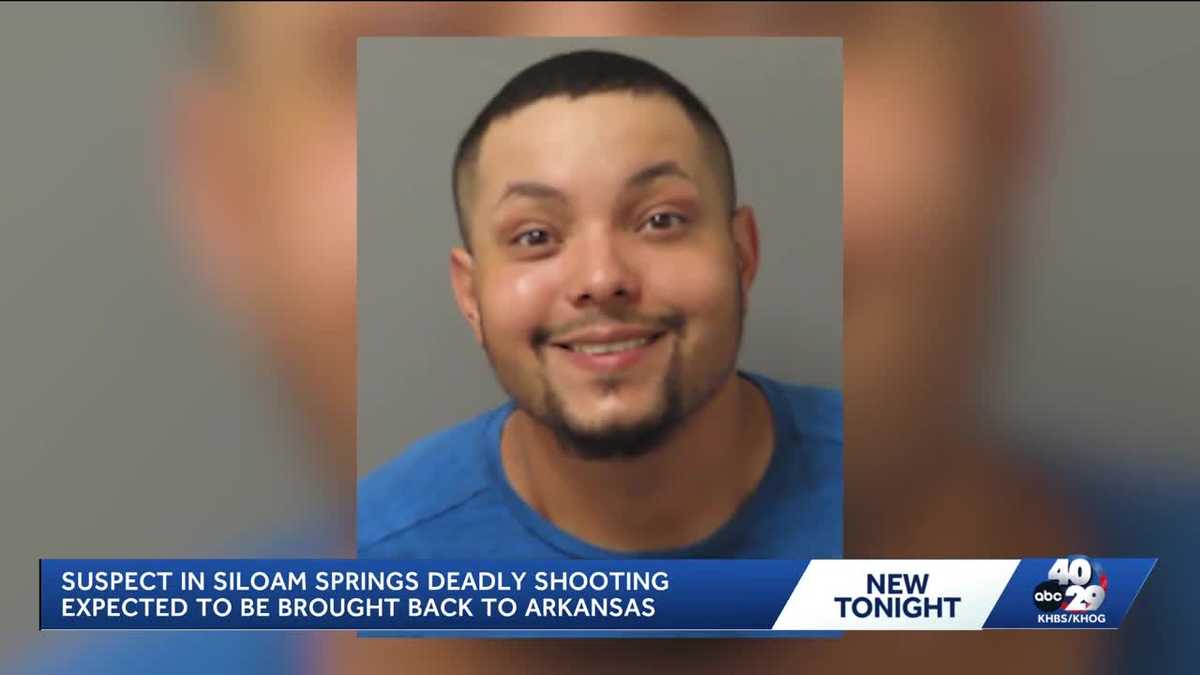
A man accused of killing a 45-year-old man in Siloam Springs has agreed to return to Arkansas to face charges after waiving extradition in Missouri. Court records show Lucas Payne Espinosa signed a waiver of extradition in St. Louis. A judge ordered that he be turned over to authorized Arkansas law enforcement officers for his return to the state. Espinosa was arrested in St. Louis after the November 7 shooting on South Oak Hill Street in Siloam Springs. Police accuse him of shooting and killing 45-year-old Brandon Granger. Espinosa faces charges including capital murder, aggravated residential burglary and carrying a weapon. By waiving extradition, Espinosa agreed not to challenge the process of being returned to Arkansas. 40/29 News spoke with Benton County Prosecuting Attorney Bryan Sexton about when Espinosa could make his first court appearance. "A lot of that just depends on the timing on bringing him back. St.
This excerpt comes from the named source. Read the original for the full reporting.
Read the original at khbs