Local
Small Business Saturday is a day to celebrate
A Roundtable is a way to meet new people and discuss this article in person at a local coffee shop or other venue.
Roundtables are designed for groups of four, with a shared subject and room for everyone to speak. Come for discussion, with no dating expectation.
Source: www.riverfallsjournal.com
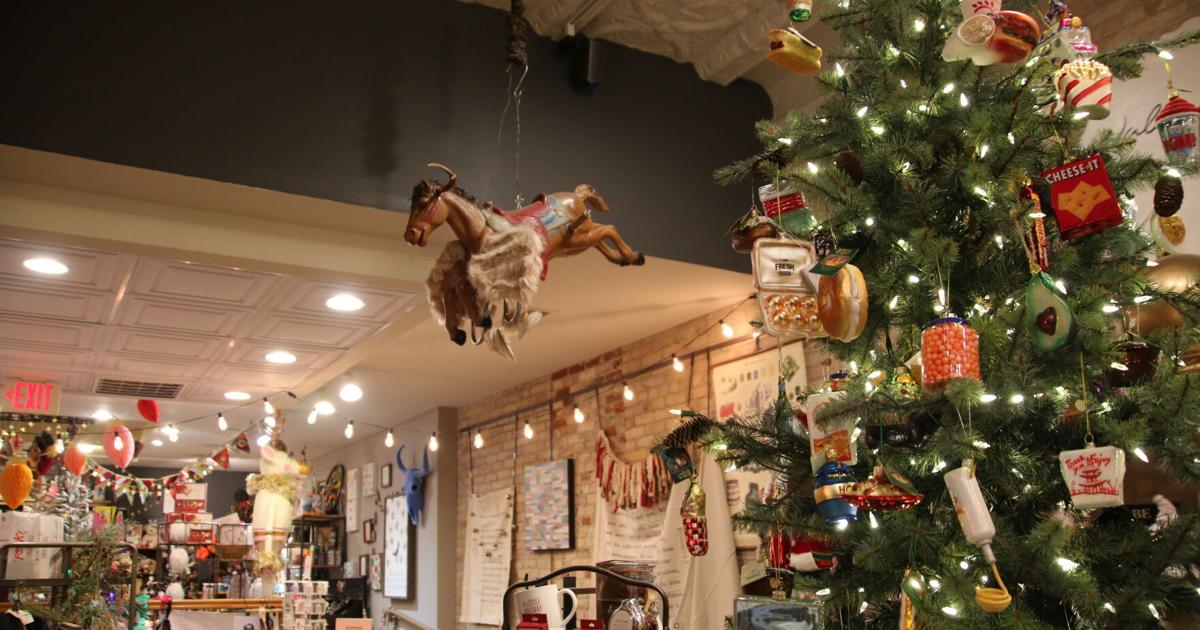
File photo: The Bees Knees from inside the store on Small Business Saturday. Photo: Jack White/Star-Observer. A few billion dollars here. A few billion there. It all adds up, including the $1 spent locally. In a choppy economy filled with headwinds, the $1, $5, $10 or $25 purchases made along main streets are vital. This is especially important for traditional holiday shopping in November and December. A full year contains 12 months, not just two.A local know-it-all likes to start with the big-picture view and apply relatable examples in Wisconsin's St. Croix Valley. A favorite clearinghouse for the know-it-all is the National Retail Federation. The federation recently forecast 2026 holiday spending in the U.S. at $1.013 trillion (with a "T"), which would be the first time holiday spending has topped $1 trillion. And who's to doubt the forecast? Holiday spending started weeks ago. A certain big-box retailer known for its red circle held its three-day Early Black Friday Sale Nov. 5-7.
This excerpt comes from the named source. Read the original for the full reporting.
Read the original at www.riverfallsjournal.com


