Local
Small studies find clue to help diagnose CTE
A Roundtable is a way to meet new people and discuss this article in person at a local coffee shop or other venue.
Roundtables are designed for groups of four, with a shared subject and room for everyone to speak. Come for discussion, with no dating expectation.
Source: The Vindicator
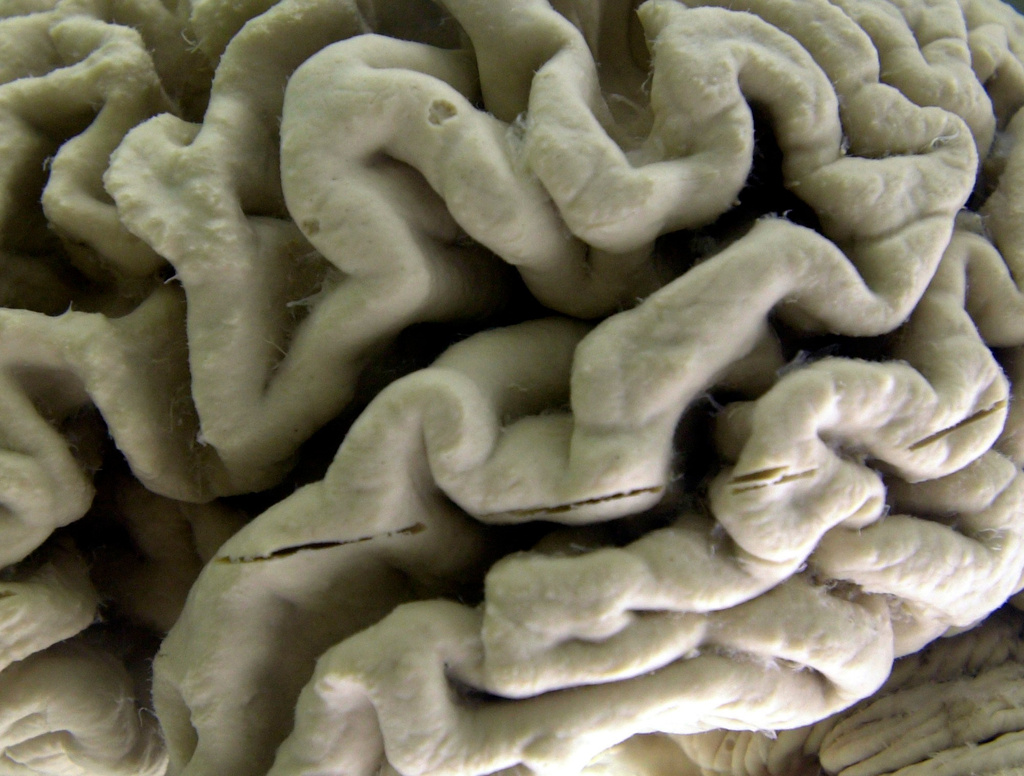
WASHINGTON — Scientists stumbled onto a hint that measuring a toxic protein tied to Alzheimer’s disease just might one day be useful in diagnosing a different brain disease in football players and others who have suffered repeated blows to the head. Doctors evaluate symptoms such as mood swings and memory loss to try to tell if patients may have CTE, or chronic traumatic encephalopathy, a disease linked to concussions and other brain trauma. But other diseases cause similar symptoms, and a CTE diagnosis can only be confirmed by examining the brain after death. Now two small studies are highlighting a new clue — that a blood test being developed to spot abnormal tau in the brains of Alzheimer’s patients seems to also detect buildup of that protein in people with advanced CTE. Tau normally supports neurons but in Alzheimer’s, it tangles inside those nerve cells. Scientists are developing a blood test to track those tangles by detecting a particular tau fragment called eMTBR-tau243.
This excerpt comes from the named source. Read the original for the full reporting.
Read the original at The Vindicator