Local
Small U.S. trucking firms scramble to survive mounting diesel costs
A Roundtable is a way to meet new people and discuss this article in person at a local coffee shop or other venue.
Roundtables are designed for groups of four, with a shared subject and room for everyone to speak. Come for discussion, with no dating expectation.
Source: BNN Bloomberg
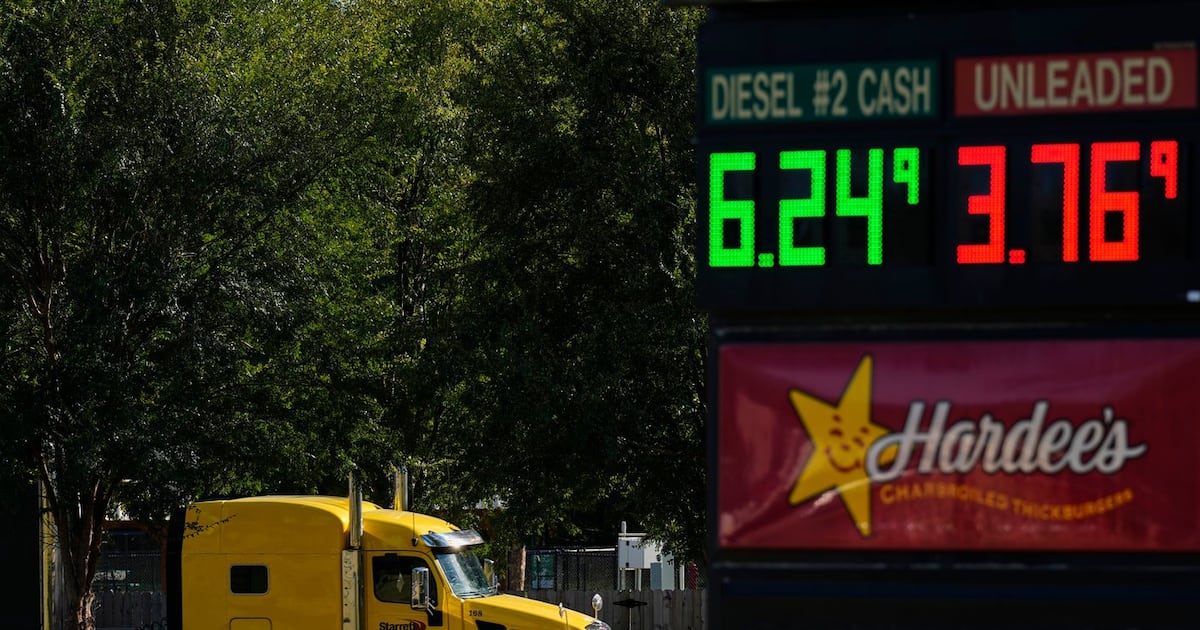
NEW YORK — When diesel prices topped US$4 a gallon early in the U.S.-Iran war, Kevin Otto thought he could manage by telling his Minnesota trucking company’s 16 drivers to slow down. He estimated that traveling at 65 miles per hour would allow Otto Transfer’s fleet of flatbeds to squeeze two-tenths of a mile more from every gallon and save him $7,000 per truck. Instead, prices kept climbing. After diesel surpassed $6 a gallon in September, Otto added a fuel surcharge to every job for the first time. He based the surcharge on the government’s weekly Midwest diesel average, beginning at 5 per cent and eventually raising it to 12.5 per cent. “To me, it’s drastic, but it’s the only way to survive,” said Otto, who took over the 80-year-old company from his parents in 2002. Latest updates on international news here High diesel prices this year have put new pressure on the small businesses that make up most of the nation’s motor carriers.
This excerpt comes from the named source. Read the original for the full reporting.
Read the original at BNN Bloomberg


