Local
Smart Home Lighting Control: Your Options, Setup Basics, and the Catch
A Roundtable is a way to meet new people and discuss this article in person at a local coffee shop or other venue.
Roundtables are designed for groups of four, with a shared subject and room for everyone to speak. Come for discussion, with no dating expectation.
Source: Blog Daily
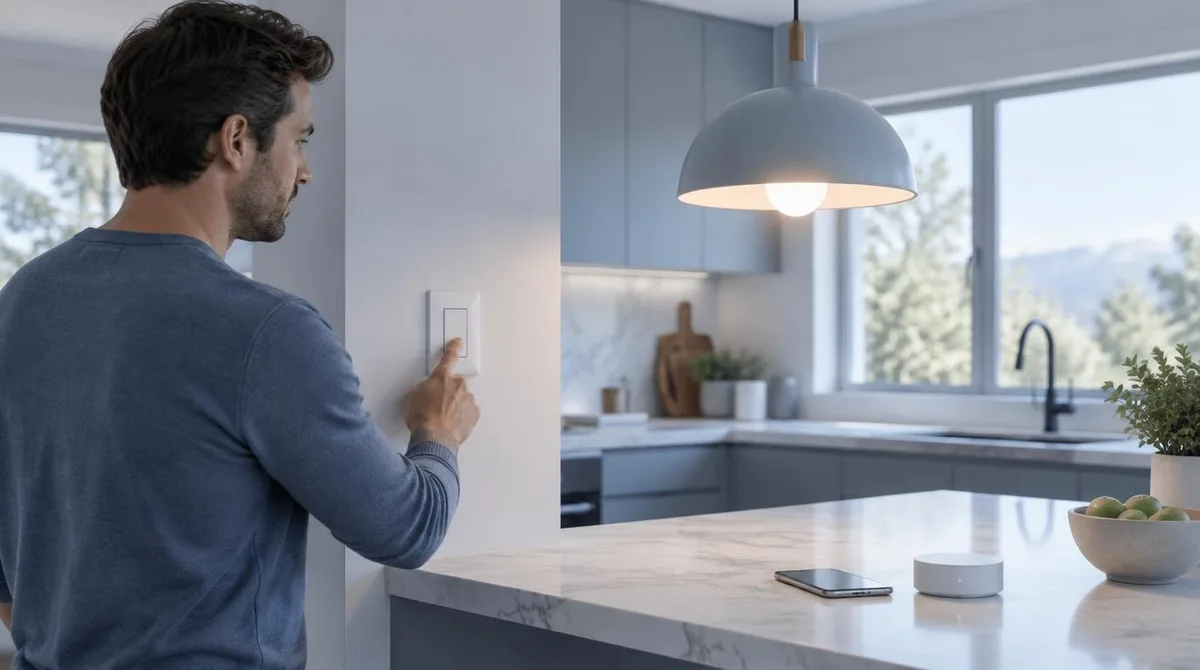
Smart home lighting control comes down to four tools: smart bulbs, smart switches, a hub, and the app that ties them together. Bulbs are the easiest start. Switches cost more and need wiring. A hub speeds things up but adds a box and a bill. Pick based on your fixtures, your budget, and who else in the house needs to flip a switch. The good news is you don't have to automate the whole house. According to CNET, one to four smart lights are enough to get started, and the cheapest bulbs run about $10, with floodlights typically $10 to $30 and switches starting around $30 to $40. The catch: some setups need neutral wiring, and some brands want a hub before you get the best features. If you're building out a whole smarthome, lighting is the usual first stop. It's cheap, it's visible, and it pays off daily. Here's how the options actually differ. Smart bulb or smart switch: which one do you need? A smart bulb replaces the light itself.
This excerpt comes from the named source. Read the original for the full reporting.
Read the original at Blog Daily


