Local
Smart Home Tech for Independent Living: What's Worth It
A Roundtable is a way to meet new people and discuss this article in person at a local coffee shop or other venue.
Roundtables are designed for groups of four, with a shared subject and room for everyone to speak. Come for discussion, with no dating expectation.
Source: Spedtacular Daily Living
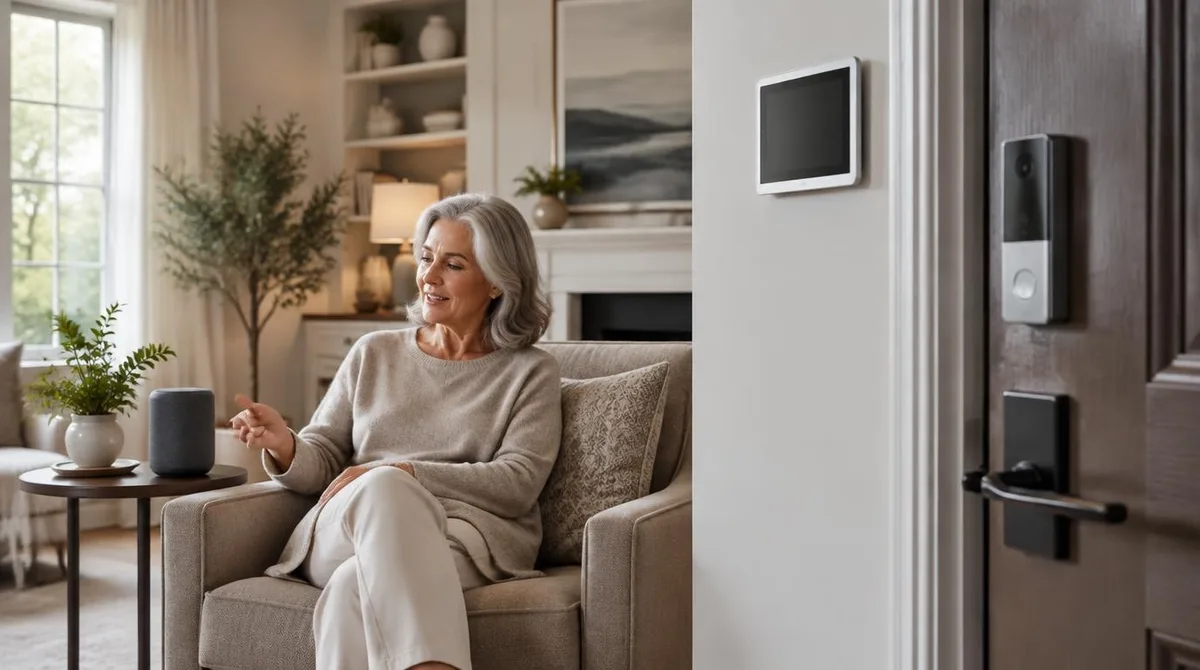
Smart home accessibility works best when it solves one specific problem in your daily routine: a door you can't lock by hand, a light switch you can't reach, or a family member who needs to know you're okay without calling every hour. Voice controls, sensors, and automated locks all do these jobs well, but they earn their price tags unevenly. The hardware is usually worth it; the assistant software is still catching up. The timing matters. Demand for this technology is growing fast: roughly 11,000 Americans turn 65 each day, and most people over 50 say they want to stay in their own homes, according to AARP figures reported by HousingWire. That same report notes that about 25% of caregivers now use remote monitoring tools such as apps, cameras, or wearables — nearly double the share from five years ago. Why is smart home tech suddenly central to aging in place? Because it fills gaps that human caregiving can't.
This excerpt comes from the named source. Read the original for the full reporting.
Read the original at Spedtacular Daily Living