Local
Soaring AI: The first ever Stanford automated drone hackathon
A Roundtable is a way to meet new people and discuss this article in person at a local coffee shop or other venue.
Roundtables are designed for groups of four, with a shared subject and room for everyone to speak. Come for discussion, with no dating expectation.
Source: The Stanford Daily
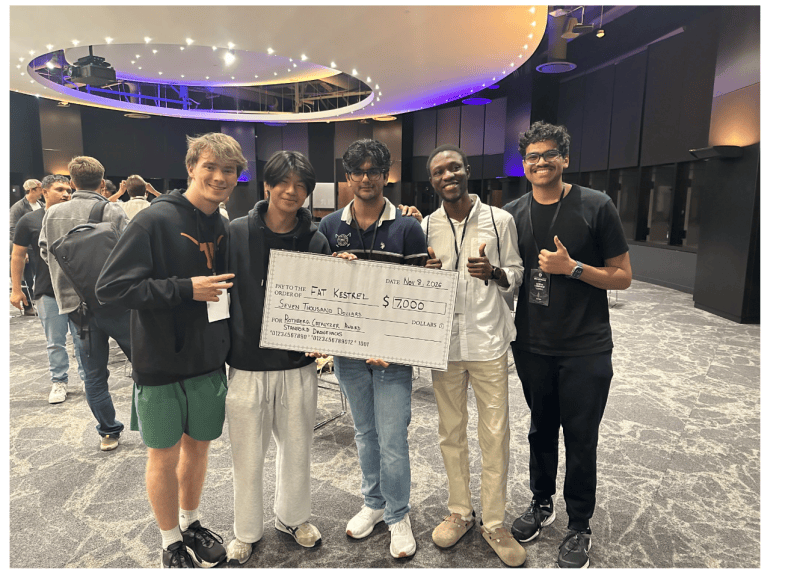
Students from 28 different universities and two countries spent last weekend in Oak Lounge, surrounded by empty energy drinks, countless lines of collective code and the constant sound of drone hums from the room next door. Meanwhile, employees from companies like Skydio, Google Wing, Dronecode and others offered advice as both judges and mentors to the rooms full of students. From Friday afternoon to Sunday evening, Stanford hosted its first ever DroneHacks — a hackathon with over 100 students participating in teams. For 48 hours, teams attempted to code a fully autonomous GPS-denied drone that can maneuver through an obstacle course. Organizers initially planned the event for last spring quarter, but delayed it to this fall to ensure safety. “We wanted to be as risk averse as possible,” said Artash Nath ’28, founder and director of DroneHacks. To start, participants were given identical 7” drones with the same parts.
This excerpt comes from the named source. Read the original for the full reporting.
Read the original at The Stanford Daily