Local
Something Indian Women Cooperatives Can Teach the Vibrant FPO Movement
A Roundtable is a way to meet new people and discuss this article in person at a local coffee shop or other venue.
Roundtables are designed for groups of four, with a shared subject and room for everyone to speak. Come for discussion, with no dating expectation.
Source: Fair Observer
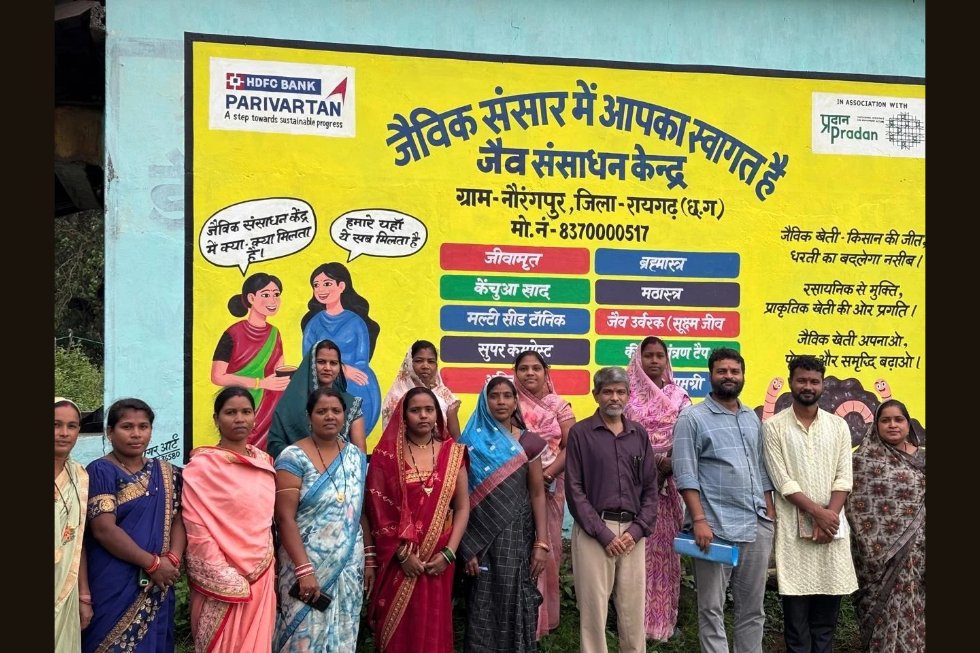
Women accounted for 48.5% of India’s population in 2024. For most of them, the agricultural and allied sectors are their primary source of income, with 80% of rural women engaged in agriculture, 33% as agricultural laborers and 48% as self-employed farmers. They accounted for about 117 million of India’s agricultural workforce, compared with 127.5 million men in 2023–24. Women’s participation in the rural workforce has increased substantially — from 35% in 2011–12 to 46% in 2023–24. Women contribute 60–80% of India’s overall food production, highlighting their critical role in ensuring food security. Despite being critical players in agriculture and rural economies, women in India make a huge contribution to the economy, yet this remains unrecognized and underappreciated.
This excerpt comes from the named source. Read the original for the full reporting.
Read the original at Fair Observer