Local
South Dakota Board of Regents to consider reduced-credit degrees
Meet in Common connects news with real conversations. Use ThinkMatch to arrange a Roundtable and meet people to discuss this story.
Source: Daily Republic
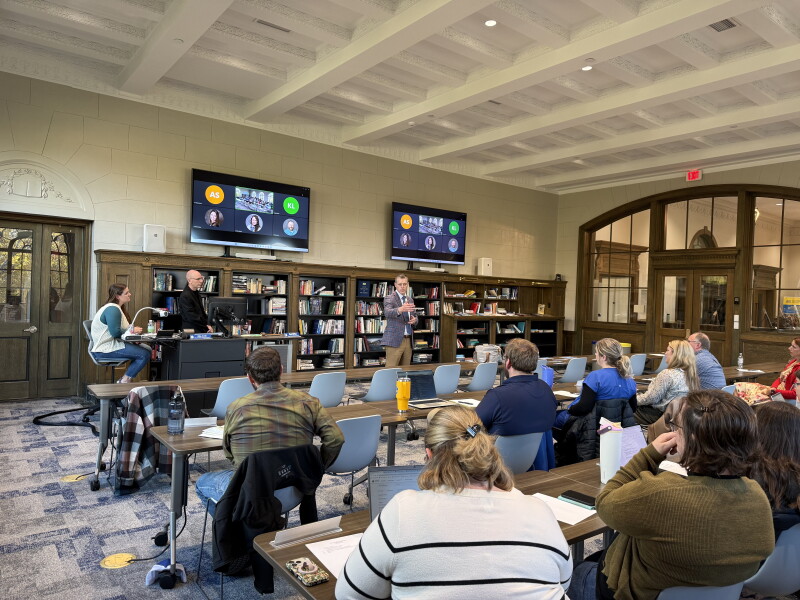
BROOKINGS — Some South Dakota Board of Regents schools are looking at implementing the first reduced-credit bachelor's degrees in the state, illustrating changing attitudes toward higher education and the perceived value of a four-year degree. Reduced credit degrees are being considered and implemented on a national scale. A study from RAND found that as of this spring, 30 states had implemented 90-credit degrees thus far. The number of reduced-credit degrees announced by institutions increased from five programs in 2024 to 48 programs in 2025. The proposal South Dakota State University is considering would change SDSU’s Hospitality, Tourism and Event Management bachelor's degree, which currently requires 120 credits like other BA degrees, to a bachelor of applied science that would require 90 credits. At an SDSU Faculty Senate meeting on Oct. 27, faculty debated the proposal for almost an hour. Nathan Lukkes, executive director of the Board of Regents, attended the meeting.
This excerpt comes from the named source. Read the original for the full reporting.
Read the original at Daily Republic