Local
Southside girls attend Alfa leadership conference
A Roundtable is a way to meet new people and discuss this article in person at a local coffee shop or other venue.
Roundtables are designed for groups of four, with a shared subject and room for everyone to speak. Come for discussion, with no dating expectation.
Source: Gadsden Messenger
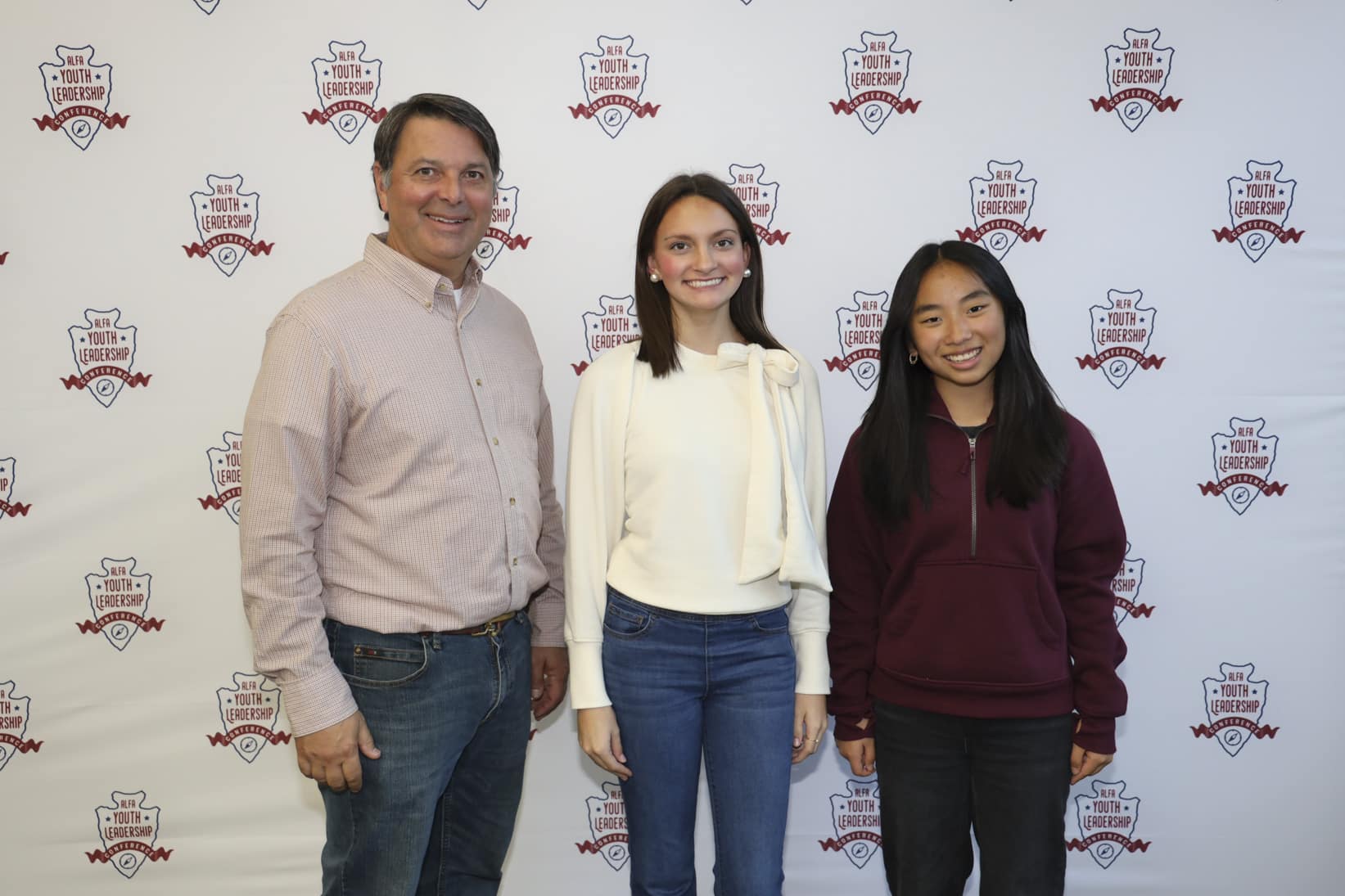
Etowah County students Ella Loyd and MeiLeigh Mintz, both students at Southside High School, attended the Alfa Youth Leadership Conference Nov. 10-11 at the Alabama 4-H Center in Columbiana. Out of more than 250 applicants, the conference brought together almost 90 ninth- and 10th-grade students from across Alabama for an opportunity to develop leadership skills and learn more about the state’s agricultural industry, according to the Alfa website. “Federation President Jimmy Parnell always encourages young people to learn to think for themselves,” Hunter McBrayer, Alabama’s FFA leadership programs director said on the website.” This conference is designed to gather students from across the state in one place to teach them just how to do that.” Throughout the event, students explored ways to advocate for agriculture, recognize their individual potential and prepare to take on leadership roles in their schools and communities.
This excerpt comes from the named source. Read the original for the full reporting.
Read the original at Gadsden Messenger


