Local
Spotify Opens Artist Profile Protection to All Artists: What Independent Rappers Should Know
A Roundtable is a way to meet new people and discuss this article in person at a local coffee shop or other venue.
Roundtables are designed for groups of four, with a shared subject and room for everyone to speak. Come for discussion, with no dating expectation.
Source: Raptology
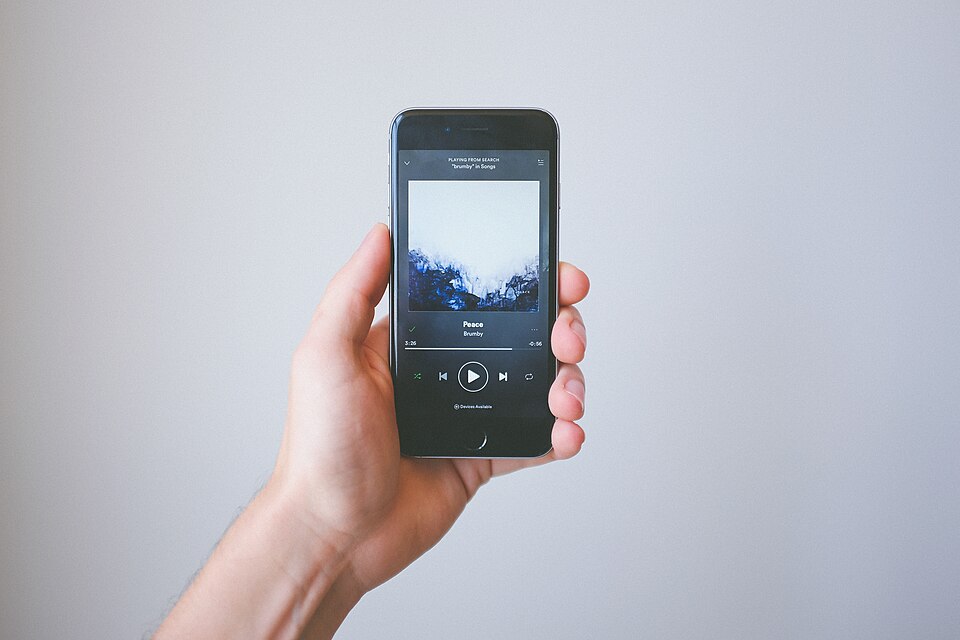
Spotify has opened Artist Profile Protection to all artists, giving independent rappers and their teams a new way to challenge releases mistakenly associated with their profiles. The expansion took effect November 17, 2026, according to Spotify for Artists. It arrives as open music-distribution systems and the rise of AI-generated tracks make attribution an increasingly sensitive issue. For a developing rapper, a wrongly attributed upload is more than a cosmetic headache. A track credited to the wrong artist can distort a discography, create confusion for fans and interfere with audience data used to plan a release campaign. Spotify says the optional feature is designed to give artists more visibility and control over that problem. What changed on November 17? Spotify first introduced the tool in a limited testing phase. Its November update made it available to the broader artist community.
This excerpt comes from the named source. Read the original for the full reporting.
Read the original at Raptology