Local
Spurs’ 12-Game Winning Streak Ends Against Detroit Pistons
A Roundtable is a way to meet new people and discuss this article in person at a local coffee shop or other venue.
Roundtables are designed for groups of four, with a shared subject and room for everyone to speak. Come for discussion, with no dating expectation.
Source: The Spectator
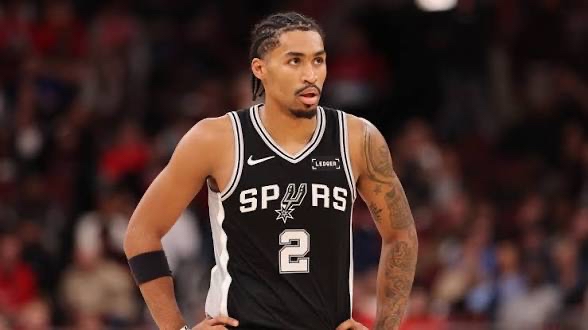
By: Kesean Taylor, Sports Reporter After a 0-2 start to the NBA season, the San Antonio Spurs have found their stride. Starting with their first win against the Dallas Mavericks on October 24th, to their latest win against the Utah Jazz on November 15th, the Spurs have had a 12-game win streak. This is the Spurs’ longest win streak since the 2015-16 season with Kawhi Leonard, the reigning Defensive Player of the Year at the time. Now there is a new era in San Antonio, with a new reigning Defensive Player of the Year, Victor Wembanyama. Showing his dominance on both sides of the court, Wembanyama has been a highlight of the Spurs win streak, with his 52 point, 24 rebound, and 8 block game against the Dallas Mavericks on November 4th. However, Wembanyama hasn’t been the only bright spot during these 12 games, sophomore guard Dylan Harper has been a help to the team as well. During their last victory against the Utah Jazz, Harper scored 31 points while coming off of the bench.
This excerpt comes from the named source. Read the original for the full reporting.
Read the original at The Spectator


