Local
Spy Game Turns 25: Brad Pitt Passed on The Bourne Identity for This $115 Million Flop
A Roundtable is a way to meet new people and discuss this article in person at a local coffee shop or other venue.
Roundtables are designed for groups of four, with a shared subject and room for everyone to speak. Come for discussion, with no dating expectation.
Source: Fortress of Solitude
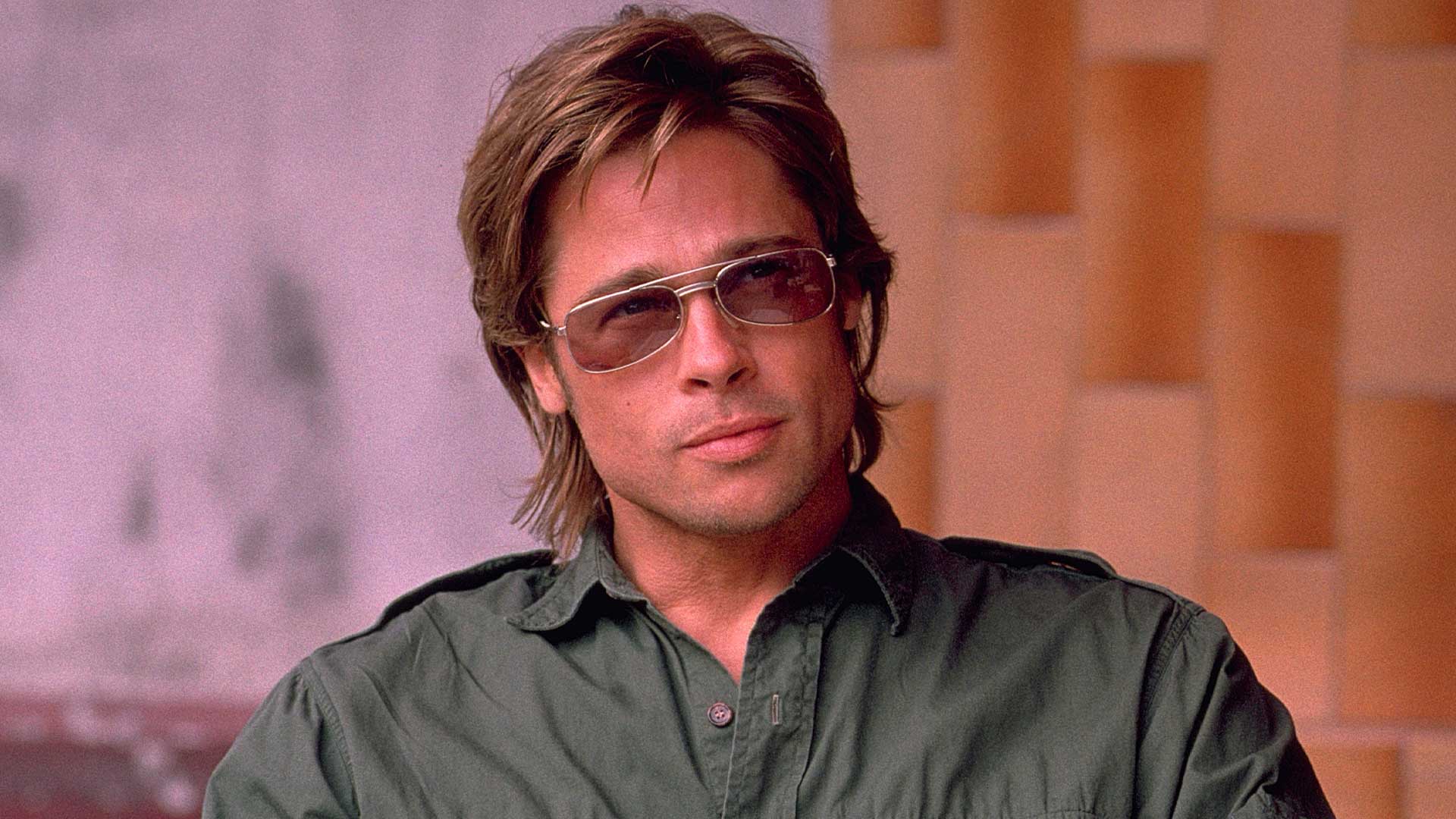
Tony Scott’s last six movies entering the 2000s saw him redefine the glossy, sun-baked aesthetics that defined his ‘80s and ‘90s filmmaking style, favoring aggressively stylized, kinetic sensory overload. You can see this in Man on Fire, Domino, and The Taking of Pelham 123 remake. Spy Game (65% on Rotten Tomatoes ), marking his first movie from the 2000s onwards, also leaned in the same direction but wasn’t as visually jittery as his later work. Scott paired Robert Redford and Brad Pitt in their first and only time acting together on the big screen. The two actors actually collaborated nine years prior in A River Runs Through It (1992), except that Redford was only in charge of directing then-young Brad Pitt and did an uncredited voiceover narration. With the legendary Robert Redford alongside Brad Pitt at the height of his fame, this gave Spy Game a boost of star power from different generations.
This excerpt comes from the named source. Read the original for the full reporting.
Read the original at Fortress of Solitude