Local
St. Anthony's Church in East Newark Closing After 125 Years
Meet in Common connects news with real conversations. Use ThinkMatch to arrange a Roundtable and meet people to discuss this story.
Roundtables are designed for groups of four, with a shared subject and room for everyone to speak. Come for discussion, with no dating expectation.
Source: Hoodline
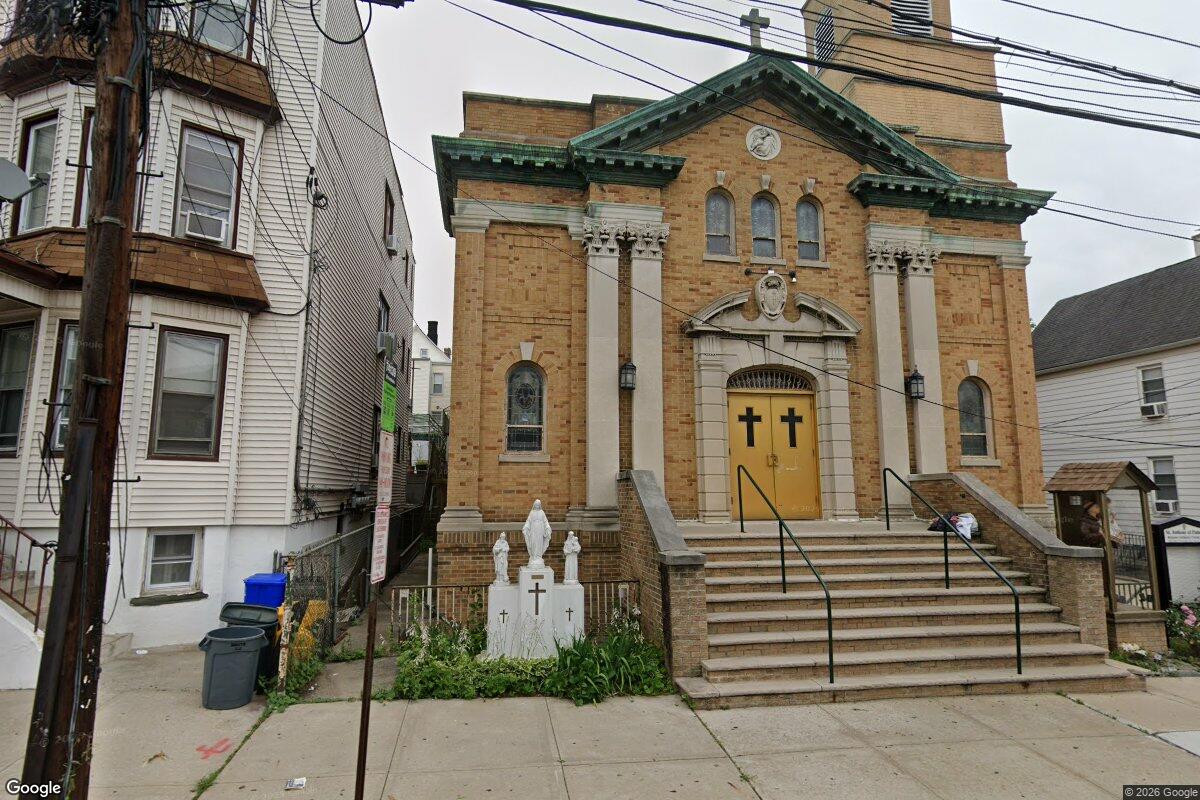
St. Anthony's Church, a 125-year-old Catholic parish in East Newark founded to serve Italian immigrants, is permanently closing its doors. The final Mass is set for Nov. 22 at 12:30 p.m., after which the congregation will be absorbed into Holy Cross Parish, located about a half-mile away in Harrison. A Tiny Borough Loses Its Spiritual Anchor According to NJ.com, the closure follows declining attendance, operating deficits and winter closures caused by a broken boiler, per Archdiocese of Newark spokesperson Maria Margiotta. The church closure was approved by parish trustees and an Archdiocese of Newark committee, and Cardinal Joseph Tobin issued a decree formalizing St. Anthony's impending closure on Oct. 10, 2026. The Archdiocese said the news is difficult, especially for families who worshipped at St. Anthony's for generations. St. Anthony's opened in 1901 to serve the borough's Italian immigrant community, and it joined Holy Cross Parish in 2018.
This excerpt comes from the named source. Read the original for the full reporting.
Read the original at Hoodline