Local
State submits bid to host new US Space Academy in Colorado Springs
A Roundtable is a way to meet new people and discuss this article in person at a local coffee shop or other venue.
Roundtables are designed for groups of four, with a shared subject and room for everyone to speak. Come for discussion, with no dating expectation.
Source: The Colorado Sun
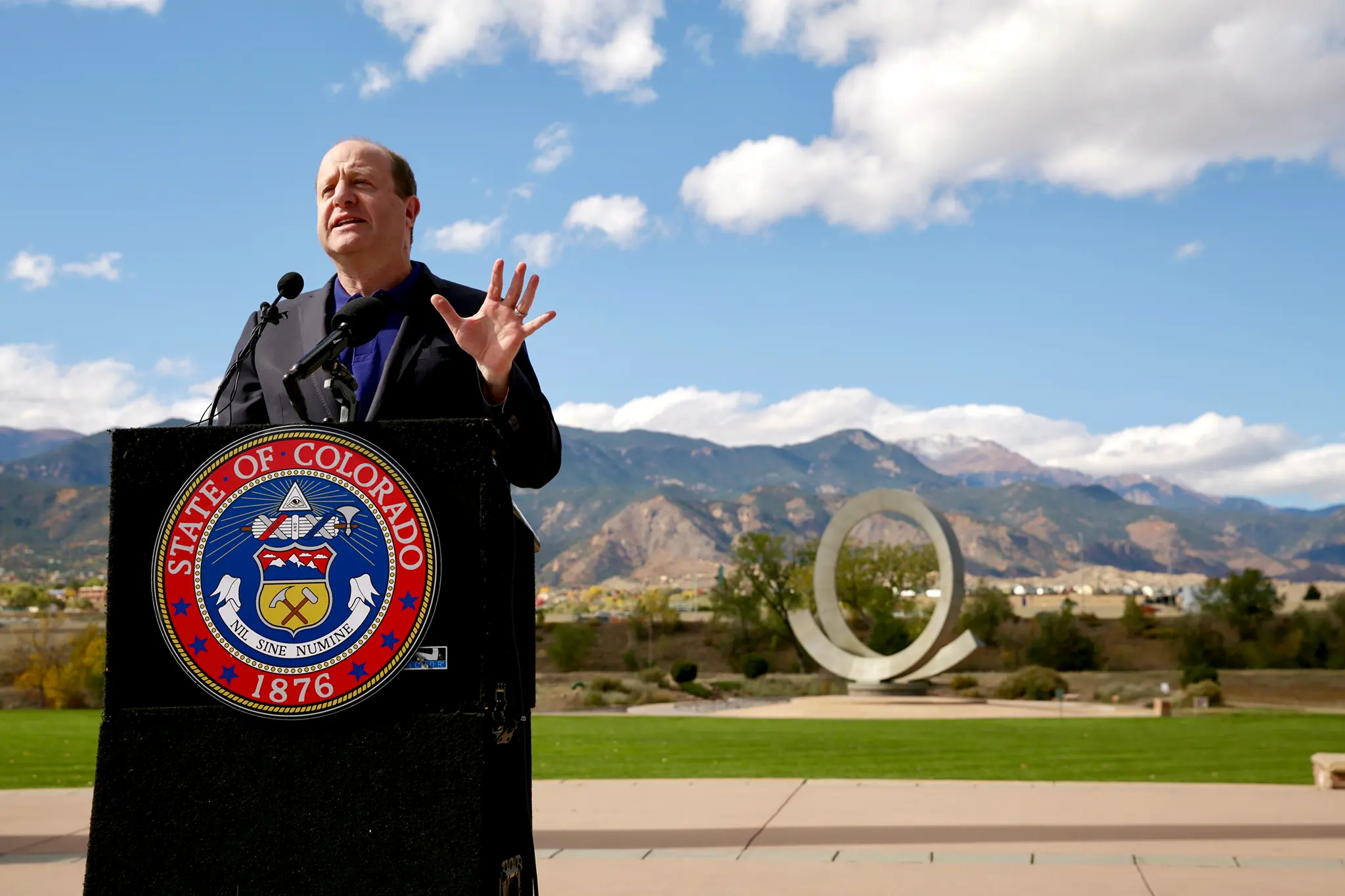
This story was produced as part of the Colorado Capitol News Alliance. It first appeared at cpr.org. Colorado submitted its formal proposal to host a proposed United States Space Academy on Monday, pitching Banning Lewis Ranch in eastern Colorado Springs as the site for the projected $8.2 billion permanent campus. President Donald Trump signed an executive order in August to start the process of creating the institution, envisioned as a “NASA-led federal academy dedicated to combining rigorous technical education with leadership development, discipline and a durable commitment to public service.” NASA issued a Request for Information from states interested in hosting the academy less than two weeks later. “It was a lot of really quick work on behalf of the state and all of our stakeholders that worked on (the bid) together,” said Lt. Gov. Dianne Primavera, who chaired the bid’s advisory committee, in an interview with CPR News.
This excerpt comes from the named source. Read the original for the full reporting.
Read the original at The Colorado Sun


