Local
Statewide View: To protect Minnesota's children, close the hemp loophole
A Roundtable is a way to meet new people and discuss this article in person at a local coffee shop or other venue.
Roundtables are designed for groups of four, with a shared subject and room for everyone to speak. Come for discussion, with no dating expectation.
Source: Duluth News Tribune
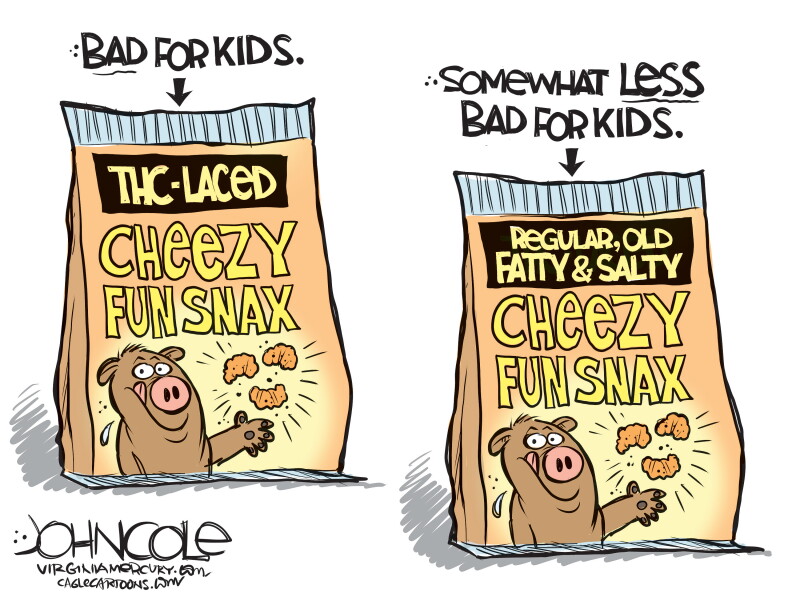
At the Minnesota Prevention Alliance, our work starts from a simple idea: Communities are safer when substance misuse can be prevented. Right now, one of the biggest gaps for prevention involves intoxicating hemp products — the gummies, drinks, and vapes, etc., that can look like everyday snacks, candy, or wellness items but that contain THC. Many people assume that if a product is on a store shelf or a website, it is safe. While that should be true, it isn’t always an assumption we can make. Across the country, THC products are being sold with synthetic cannabinoids. These products can be up to 30 times as potent as natural THC, and independent testing has found mold, pesticides, and bacteria, despite claims of third-party testing. Too often these products also have multiple times as much THC as legally allowed in Minnesota and contain additional cannabinoids not listed on the product. This includes CBD products that customers expect to be non-intoxicating.
This excerpt comes from the named source. Read the original for the full reporting.
Read the original at Duluth News Tribune