Local
Steelers’ DK Metcalf says he wasn’t poking Eagles’ Cooper DeJean
A Roundtable is a way to meet new people and discuss this article in person at a local coffee shop or other venue.
Roundtables are designed for groups of four, with a shared subject and room for everyone to speak. Come for discussion, with no dating expectation.
Source: Herald-Star
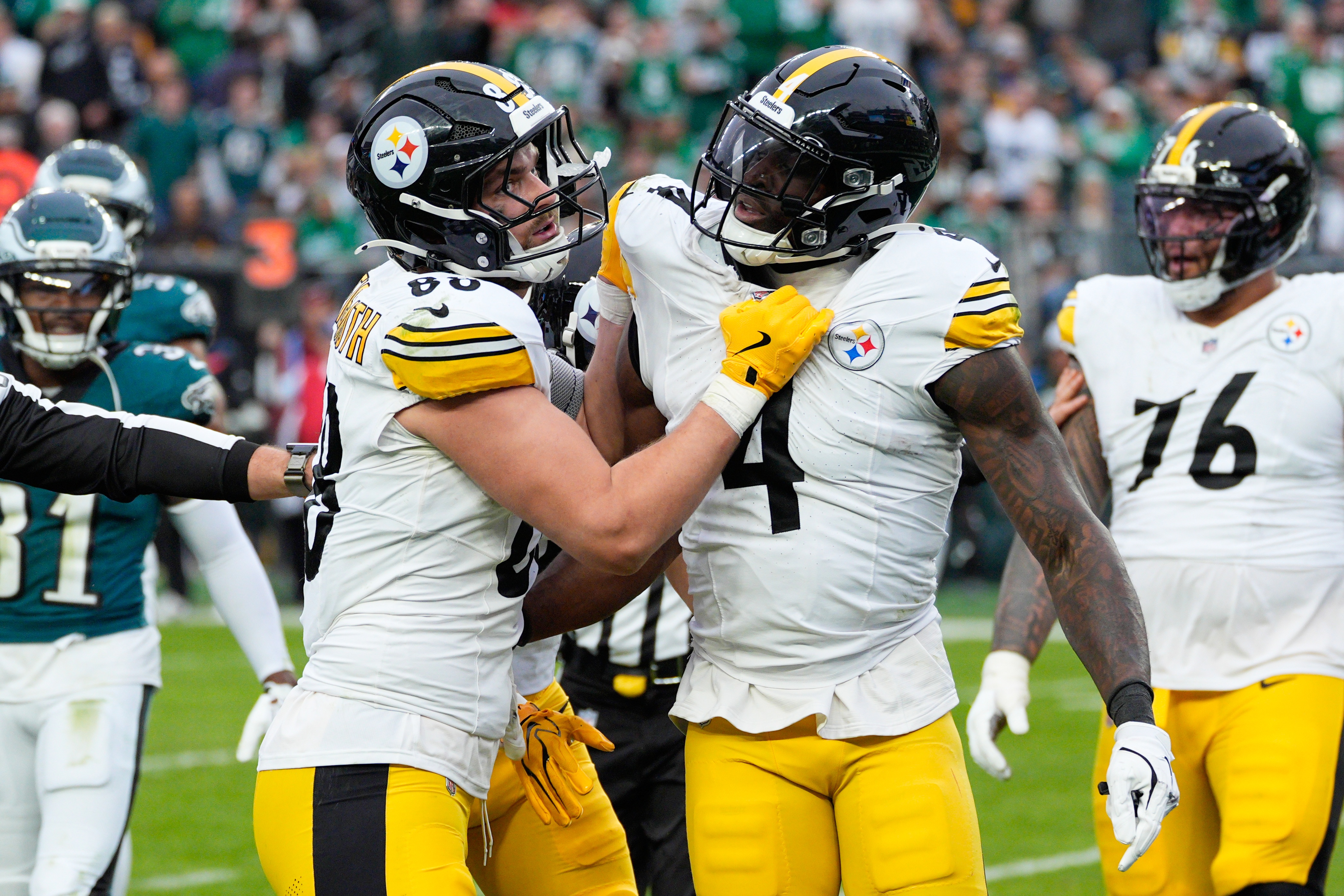
PITTSBURGH (AP) — Pittsburgh Steelers wide receiver DK Metcalf says he is sorry he wasn’t there for his team but denied trying to intentionally poke Philadelphia defensive back Cooper DeJean in the eyes after getting ejected in the second half of Sunday’s loss to the Eagles. Metcalf was tossed for the third time in his career after being flagged twice for personal fouls following dustups with DeJean, the second of which included Metcalf appearing to attempt to stick his fingers between DeJean’s facemask. Asked Monday if he could go into detail about his exchanges with DeJean, Metcalf initially responded that he “couldn’t remember” before backtracking and saying that he was trying to send a message to DeJean to “stop pushing me.” It’s hardly the first time that Metcalf, who caught one pass for two yards before being sent to the locker room, has run into trouble for failing to keep his composure.
This excerpt comes from the named source. Read the original for the full reporting.
Read the original at Herald-Star


