Local
Stepping Into Agawam Diner In Rowley Feels Like Ordering Pie In 1954
A Roundtable is a way to meet new people and discuss this article in person at a local coffee shop or other venue.
Roundtables are designed for groups of four, with a shared subject and room for everyone to speak. Come for discussion, with no dating expectation.
Source: Fast Food Club
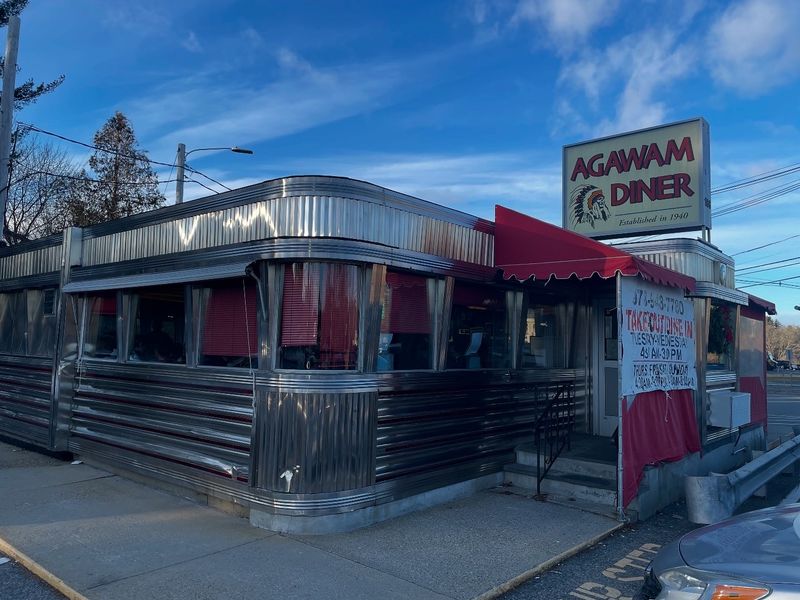
Some places on the North Shore of Massachusetts seem to have missed the memo that time moves forward. Along a busy stretch of road in Rowley, a little rail car diner from 1954 still opens its doors at 5 in the morning and fills its booths with early risers, road trippers, and families who have been coming back for decades. The pies sit in a glass case near the counter, waiting for someone to admit they saved room. The plates arrive big, the staff knows the routine by heart, and the payment rules are as old school as the building itself. Ahead, you will find out where this spot sits, why folks keep driving an hour for a slice, what to order, when to show up, and the one thing you absolutely must bring along before you sit down in a booth. A 1954 Rail Car on the Newburyport Turnpike Out on Route 1 in Rowley, a slim rail car diner has been holding its ground since the Eisenhower years.
This excerpt comes from the named source. Read the original for the full reporting.
Read the original at Fast Food Club


