Local
Steven Seagal Got His Movie Career From a Fight Warner Bros. Believed – One of the Men He “Beat” Says It “Shouldn’t Have Fooled Anybody”
Meet in Common connects news with real conversations. Use ThinkMatch to arrange a Roundtable and meet people to discuss this story.
Source: Fortress of Solitude
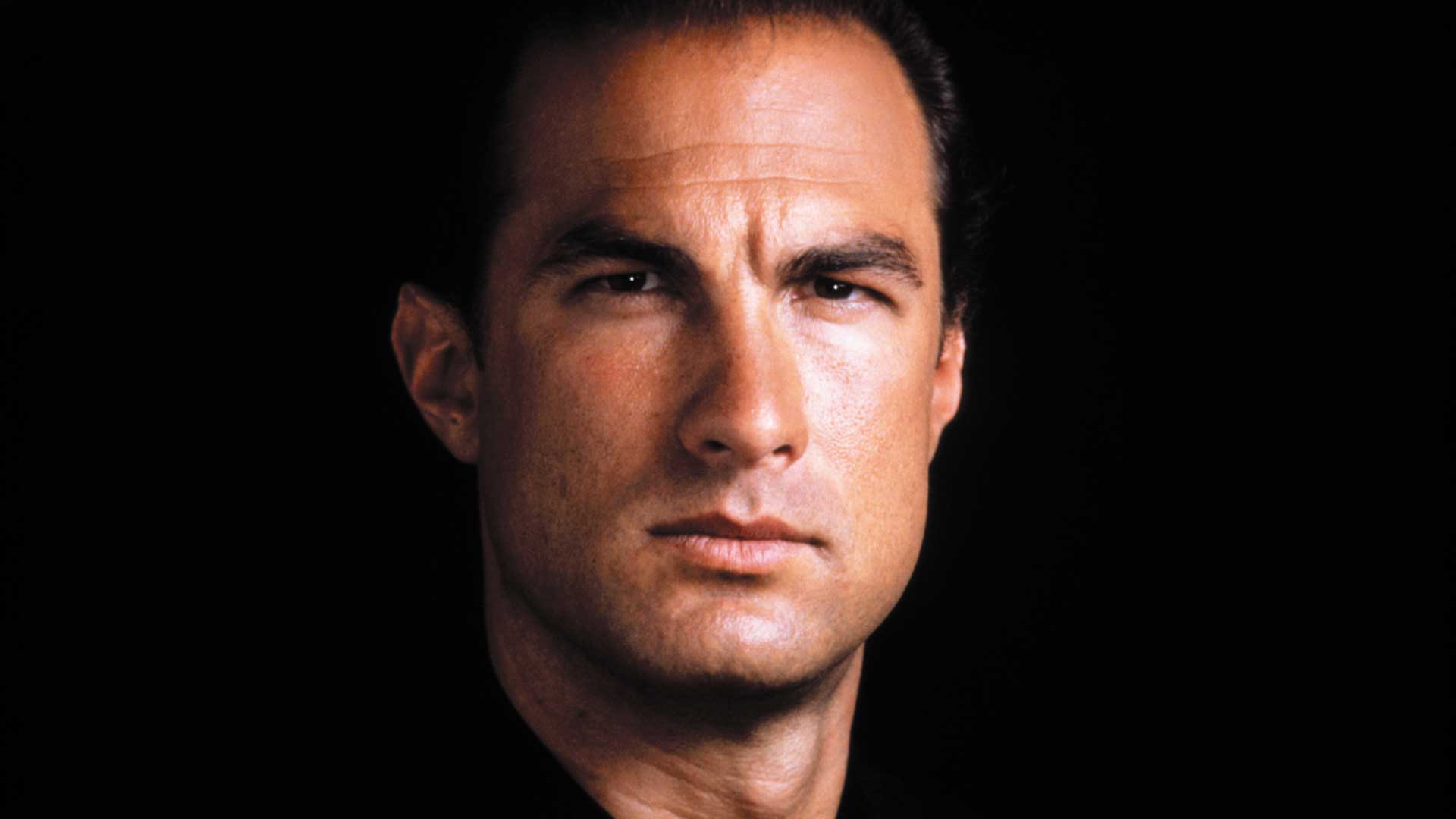
Steven Seagal’s journey to becoming an action hero was different from the path taken by his peers. He had zero acting experience, but he somehow found himself becoming one of the top stars on the planet in no time. How did that happen? Nick de Semlyen’s The Last Action Heroes: The Triumphs, Flops, and Feuds of Hollywood’s Kings of Carnage covers the rise of Seagal in great detail. As it turns out, it was a case of him meeting the right person at the right time. Seagal worked as a personal trainer for Hollywood agent Michael Ovitz, who, in turn, recommended him to Terry Semel, the then-president of Warner Bros. The problem was that Seagal had no acting experience. He had circled the entertainment industry in the past, training and preparing actors such as Sean Connery for roles (on Never Say Never Again, he accidentally broke Connery’s wrist in training), but he was an unknown quantity as a screen presence.
This excerpt comes from the named source. Read the original for the full reporting.
Read the original at Fortress of Solitude