Local
‘Still Got to Live Our Lives’: Trump’s Homeland Security Chief Markwayne Mullin Takes Government Plane to Football Game Amid FAA Travel Chaos
A Roundtable is a way to meet new people and discuss this article in person at a local coffee shop or other venue.
Roundtables are designed for groups of four, with a shared subject and room for everyone to speak. Come for discussion, with no dating expectation.
Source: Atlanta Black Star
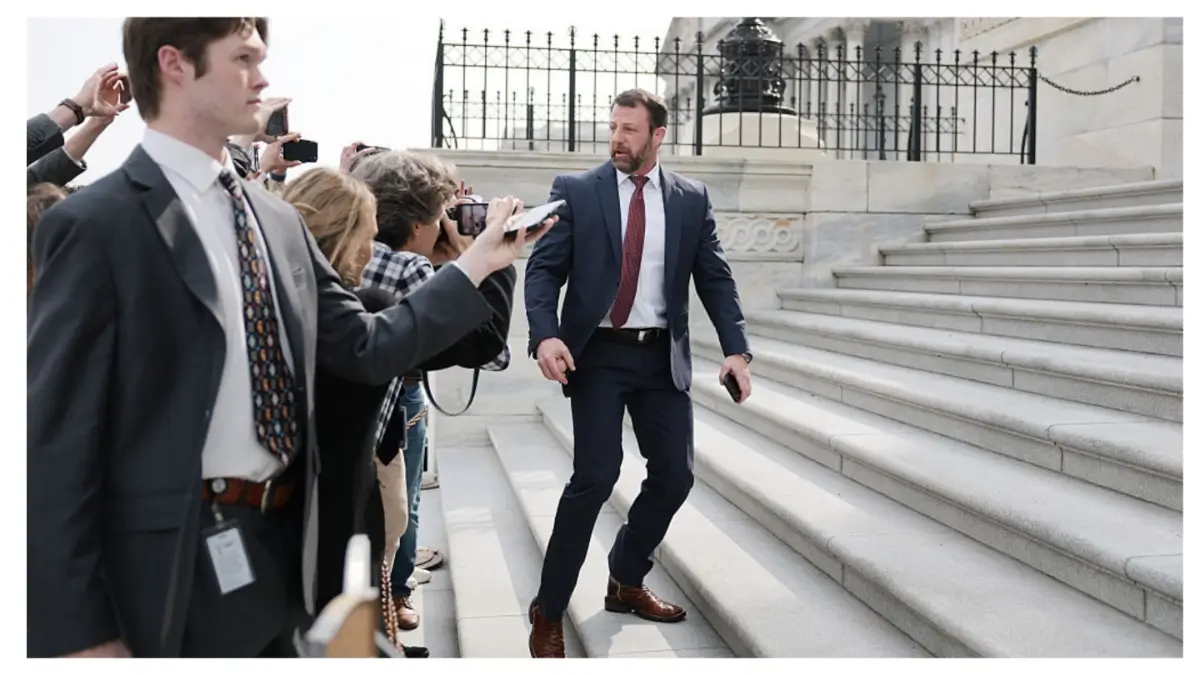
While travelers around the country dealt with the fallout from a complete airport shutdown, President Donald Trump’s Homeland Security chief, Markwayne Mullin, took the liberty to enjoy a luxury unaffordable to most. Mullin, 49, became Secretary of Homeland Security in March. He assumed the Cabinet role after the president demoted his scandal-ridden predecessor, Kristi Noem, to another position. The current DHS head’s first eight months on the job included ethics and budget controversies. Many are still grappling with the halting of all departing U.S. flights on Nov. 13. Under direction from the Federal Aviation Administration, a full ground stop caused thousands of flight delays and cancellations. For five hours, the American airline industry was at a standstill. The ensuing chaos from the countrywide air travel suspension continued once airspaces reopened. Cancellations continued to mount on Nov. 14 and Nov. 15.
This excerpt comes from the named source. Read the original for the full reporting.
Read the original at Atlanta Black Star