Local
章北海的自然选择|土地财政下跌不止,中国经济吃什么?
A Roundtable is a way to meet new people and discuss this article in person at a local coffee shop or other venue.
Roundtables are designed for groups of four, with a shared subject and room for everyone to speak. Come for discussion, with no dating expectation.
Source: China Digital Times
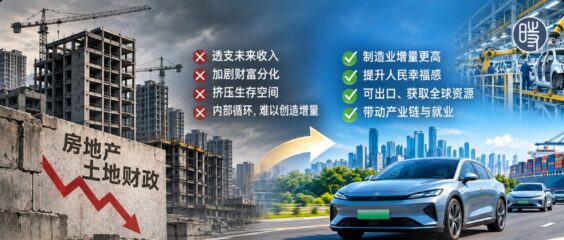
CDT 档案卡 标题:土地财政下跌不止,中国经济吃什么? 作者:章北海official 发表日期:2026.11.20 来源:微信公众号“章北海的自然选择” 主题归类:土地财政 CDS收藏:公民馆 版权说明:该作品版权归原作者所有。中国数字时代仅对原作进行存档,以对抗中国的网络审查。详细版权说明。 2003年8月12日,《国务院关于促进房地产市场持续健康发展的通知》提出: 房地产业关联度高,带动力强,已经成为国民经济的支柱产业。 那个时候的中国房地产不会想到,仅仅20多年之后,自己的黄金时代就要告一段落了。 特别是2026年,在房地产市场下行压力承压已经持续数年之后,中央仍然推出了现房销售等一系列政策,许多人想象当中的开大式救市并没有来。 态度是很明确的,经济就算有压力,房住不炒也要坚持下去。因为房地产确实是绑架中国社会太多东西,造成了中国社会普遍幸福感和获得感的缺失。2016年到2018年的涨价去库存,已经把泡沫堆高到了可能出现系统性金融风险的边缘了,不能再继续靠推高泡沫来消化泡沫了。 然而,留下的经济缺口并不会自动弥补,2026年前三季度,全国房地产开发投资为5.34万亿元,同比下降20.6%;房屋新开工面积下降24.9%,这个影响投射到整个投资端:今年前三季度,全国固定资产投资同比下降7.2%,制造业投资下降2.1%,基础设施投资下降4.2%。中国经济需要新的支柱来完成订单、投资和就业。谁来接班呢? 2025年9月,工信部解释《汽车行业稳增长工作方案》时,明确称 汽车产业为国民经济的“支柱产业”,发挥工业经济稳增长的“压舱石”作用。 中国政府一贯的惯例是,重复的内容往价值不大,而新说法,新提法,这些新对象往往代表着严肃的政治议题和对应的政府动作。 我们先从规模上看,2025年,汽车产业产值占GDP比重约10%,连续第二年位居国民经济第一大支柱产业,超过了长期占据首位的房地产行业。汽车制造业营收达到11.18万亿元,如果算上汽车保养和汽车零件,整个全产业链的体量则更为庞大。 一定有观众朋友要问了,一个产业取代另一个产业,这对我有什么好处呢,和我有什么关系呢?我一定要讲,这还真是个好事,新旧动能的发展模式之间存在着众多潜在好处。 首先,也是最大的一点,房地产是痛苦的GDP,而汽车的GDP显然能有效提升人民群众幸福感。…
This excerpt comes from the named source. Read the original for the full reporting.
Read the original at China Digital Times