Local
【立此存照】“使用即违法”:高校、医院与政务部门的反翻墙时间线
A Roundtable is a way to meet new people and discuss this article in person at a local coffee shop or other venue.
Roundtables are designed for groups of four, with a shared subject and room for everyone to speak. Come for discussion, with no dating expectation.
Source: China Digital Times
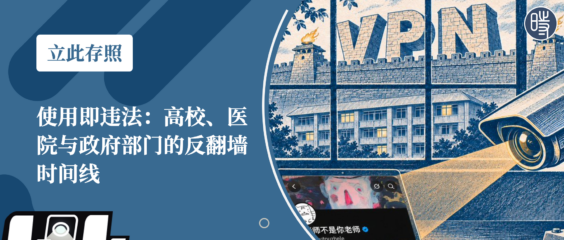
2026年9月以来,中国多所高校多个部门密集发布“反翻墙“普法文章、倡议书和通知,把使用VPN、代理软件、游戏加速器乃至境外手机卡漫游一律定性为违法行为,且“无论出于何种目的”。相关文本反复警告此类翻墙记录将影响评优、保研、考公和政审,并要求学生自查设备、签署承诺、劝导乃至举报同学。与此同时,高校、医院、政务部门等也纷纷采购翻墙监控设备,要求关联真实姓名、逐人统计“访敏次数”、解密加密流量、留存日志供公安取证,管控对象一路延伸到政务机构人员。 以下内容根据推特账号“李老师不是你老师”(@whyyoutouzhele)近两月月以来的公开推文,按照事件发生时间从旧到新整理。 CDT档案卡 标题:【立此存照】“使用即违法”:高校、医院与政务部门的反翻墙时间线 作者:中国数字时代 发表日期:2026.11.24 来源:推特 主题归类:翻墙 主题归类:网络审查 CDS收藏:老大哥馆 版权说明:该作品版权归中国数字时代所有,欢迎个人、媒体和研究机构在注明来源的前提下免费使用。详细版权说明。 9月10日,甘肃一名网友曝光某高校监控学生“翻墙”行为:该校“网安信息化办公室”甚至将使用校园网“翻墙”的同学名单列出,还将登录外网社交媒体的时长精确监控到秒。原帖链接 9月20日,厦门软件职业技术学院发布通知,要求全体师生自查手机、电脑中的“翻墙”软件,制作、转发相关教程和节点链接也一并列入排查。校方称将开展抽查复查,情节严重的移交执法部门。原帖链接 9月30日,广西“上思县共青团”微信公众号发文,将YouTube、Chrome、Facebook、推特及谷歌服务列入“严禁下载”名单,并要求自查手机VPN设置和境外社交账号。文章称,只要用了翻墙软件,“学英语也好,查资料也罢,甚至什么都没有浏览,都属于违法违纪行为”。原帖链接 9月至10月,新疆农业职业技术大学、内蒙古大学、林州建筑职业技术学院及广西大学土木建筑工程学院等高校及院系官网陆续出现同题文章,称大学生翻墙“不是自由,是违法高危操作”。其中新疆农业职业技术大学的文章写道:“学习有正规渠道,翻墙从无正当理由。”原帖链接…
This excerpt comes from the named source. Read the original for the full reporting.
Read the original at China Digital Times