Local
聯邦政府預算能否破解住房困局?
A Roundtable is a way to meet new people and discuss this article in person at a local coffee shop or other venue.
Roundtables are designed for groups of four, with a shared subject and room for everyone to speak. Come for discussion, with no dating expectation.
Source: The Epoch Times
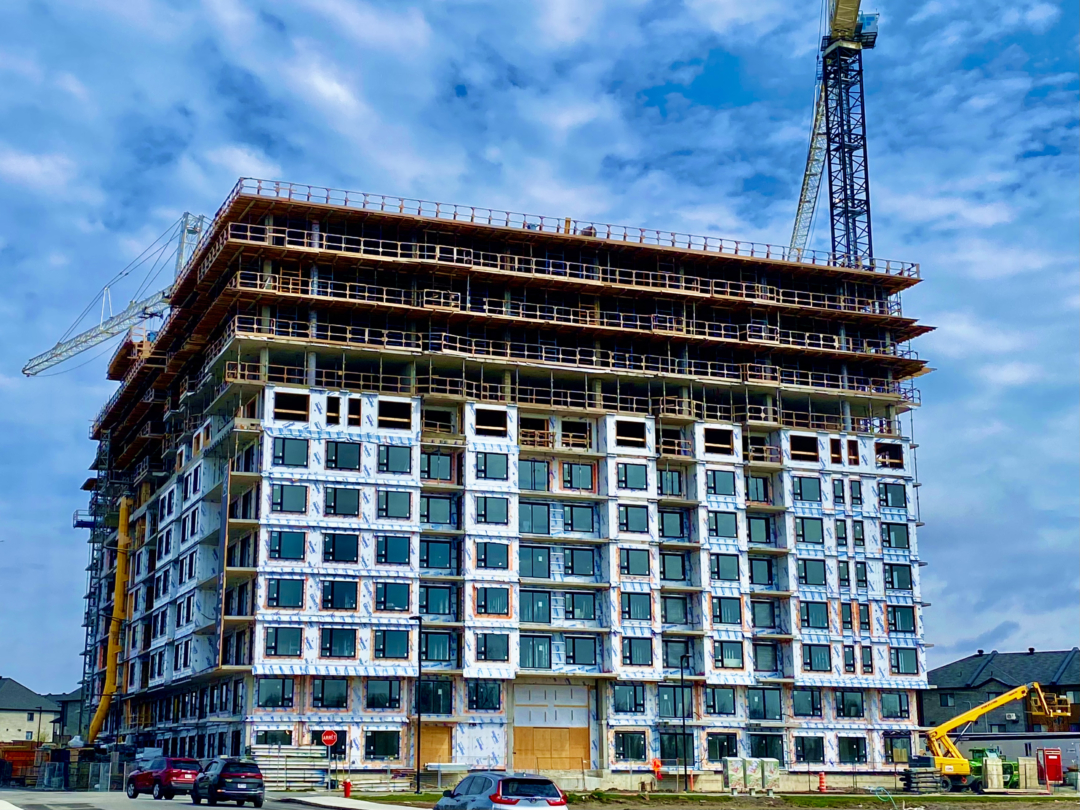
【大紀元2026年11月15日訊】(大紀元記者智宇渥太華編譯報導)加拿大聯邦政府近日公布2026年財政預算,其中多項住房政策引起房地產行業廣泛關注。新預算不僅放寬了中小型多戶住宅的融資限制,還提出通過人工智能、電子審批及現代建築技術,加快住宅開發進程。 渥太華地產局(Ottawa Real Estate Board,簡稱OREB)於11月6日發表聲明,對相關措施表示歡迎,認為這些政策有望改善住房供應,並為加拿大居民創造更多購房機會。 放寬融資限制 鼓勵中小型住宅開發 本次預算最受房地產行業關注的措施之一,是針對三戶、四戶及其它中小型多戶住宅的融資改革。根據該政策,自2027年2月1日起,符合資格的新建三戶及四戶住宅,可以獲得最高相當於物業價值90%的保險融資,而且不再受到最高物業價值限制,也無需滿足業主自住的條件。 加拿大住房市場長期以來存在一個結構性問題:傳統獨立屋與大型公寓樓之間,缺少足夠的中小型多戶住宅,即「缺失的中間型住宅(Missing Middle Housing)」。 渥太華市近年來持續推動土地用途分區改革,希望允許在更多現有社區建設多戶住宅,減少傳統低密度住宅區的開發限制。 過去,中小型住宅開發商往往面臨融資困難,即使土地符合開發條件,也可能因為貸款要求嚴格、自有資金不足而無法啟動項目。如今,較高比例的保險融資有望降低開發項目的前期資金門檻,使更多小型開發商及投資者能夠參與住宅建設。 與此同時,政府還將允許私人按揭保險公司為包含5至50個住宅單元的物業提供保險。這意味著更多中等規模的住宅項目有機會獲得融資支持,從而擴大市場參與者的範圍。 1億元推動人工智能審批 本次預算的另一個關注點,是聯邦政府計劃在未來三年投入1億元,支持地方政府採用電子許可審批系統及人工智能技術,加快房地產開發審批。 長期以來,加拿大住宅建設不僅受到土地和融資條件限制,也受到複雜審批程序的影響。一個住宅項目從規劃設計、土地用途審查,到建築許可申請,往往需要經過多個政府部門及專業機構。審批時間延長,不僅增加開發商的融資與管理成本,也可能最終推高住宅售價。 隨著數字化和人工智能技術的發展,部分重複性工作有望實現自動化,例如申請材料完整性檢查、設計文件分類、審批流程追蹤以及部分規範符合性初步審查。…
This excerpt comes from the named source. Read the original for the full reporting.
Read the original at The Epoch Times