Local
数字力场|「全民喝大水」时代的网约车司机困局
A Roundtable is a way to meet new people and discuss this article in person at a local coffee shop or other venue.
Roundtables are designed for groups of four, with a shared subject and room for everyone to speak. Come for discussion, with no dating expectation.
Source: China Digital Times
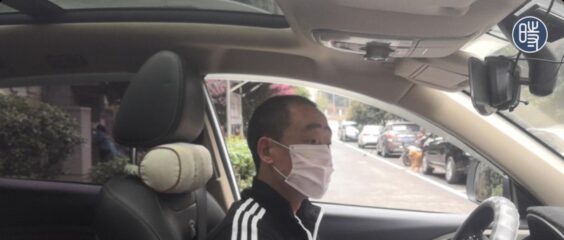
骂平台,解不了网约车司机的困局。 文 | 佘宗明 刘震云曾在《一句顶一万句》中说:世上所有的事情,都经不起推敲,一推敲,哪一件都藏着委屈。现在看,这句话的含金量还在上升。 前不久,#网约车师傅感觉乘客越来越少#冲上了微博热搜,引发网友热议。 也许是大数据预判了我的预判,刷到这条热搜后,我又刷到了好几条视频(其中有一条是陈光标发的),说网约车司机「收入越来越低了」「处境越来越难了」。虽然切入点不尽相同,但结论如出一辙——都怪「平台黑心、资本吸血、抽成太高」。 在当下,对网约车司机群体的生存境况多些关注,确实很有必要,毕竟他们的现实处境是观察社会经济水温的细微切口。 但如果关注是起于悲情化叙事、兴于情绪化宣泄、终于简单化归因,那我只能说: 有同情心是好事,要是能再多些经济学常识,就更好了。 在「网约车司机为什么越来越难了」的问题上,太多将经济问题道德化的总结,都不如某网民的一句「神点评」:因为很多原来的乘客变成现在的司机了。 01 / 近段时间,「全民进入喝大水时代」在网上一语风行。某种程度上,眼下网约车司机困局的症结,就藏在其中。 为什么这届网民推崇起了喝「大水」?最直接的原因就是省钱。「能省省,能花也省着花」,已成许多人的新消费理念。 反映在出行上就是:以前坐专车的,现在改坐快车了;以前坐快车的,现在改选拼车了;以前坐拼车的,现在去坐公交地铁去了。 在打车报销福利缩水后,出行首选从快车切换为特价拼车或特惠快车,就成了许多上班族的务实做法。 什么是消费左移?这就是。 当性价比的优先级被提高,随之而来的便是,低价订单占比走高,平均客单价跟着往下走。 杭州市交通运输局发布的数据就显示,2026年3季度,网约车单车日均营收同比下降7.41%;海口市交通运输局此前也披露:截至2026年5月底,当地网约车司机单车日均营收245.54 元,日均仅8.3单。 需求侧是乘客价格敏感度上升,供给侧是司机数量剧增。 在就业承压的背景下,准入门槛相对友好的网约车行业,成了许多人的再就业首选。数据显示,2024年,中国持证司机比2020年多了159%,但订单只涨了39%。4年时间网约车司机增长的数据是订单增长的4倍。 去年某媒体公布了一份「31到45岁男性最常使用APP排行榜」,第一名不是某音,不是某信,也不是某果短剧,而是滴滴车主版。…
This excerpt comes from the named source. Read the original for the full reporting.
Read the original at China Digital Times