Local
為中共搜集情報 唐元雋在紐約被判三年緩刑
Meet in Common connects news with real conversations. Use ThinkMatch to arrange a Roundtable and meet people to discuss this story.
Roundtables are designed for groups of four, with a shared subject and room for everyone to speak. Come for discussion, with no dating expectation.
Source: The Epoch Times
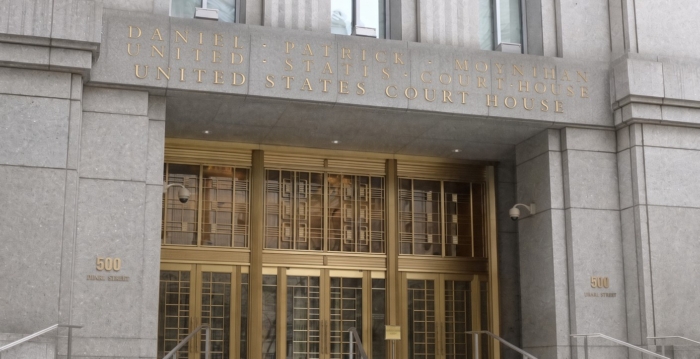
首頁新聞國際要聞文章正文為中共搜集情報 唐元雋在紐約被判三年緩刑位於紐約曼哈頓珍珠街500號的紐約南區聯邦法院。(蔡溶/大紀元)中港台時間 2026-11-1311:18 發表|11-1413:40 更新人氣 679【大紀元2026年11月13日訊】(大紀元記者蔡溶、林丹紐約報導)法拉盛中國民主運動人士唐元雋今天(12日)在紐約南區聯邦法院被判處三年監督釋放,且沒有罰金。現年69歲的唐元雋於2025年9月認罪,承認在未依法通知美國司法部長的情況下,充當中共政府代理人。唐元雋原為中國異議人士,曾因參與1989年天安門民主運動被判刑20年,後在國際壓力下獲減刑,於1997年獲釋。2002年他逃往台灣,隨後獲美國政治庇護並在紐約定居,曾任中國民主黨全國聯合總部副主席及美東主席。根據紐約南區聯邦檢方的指控,唐元雋至少從2018年至2023年,祕密接受中共國安部(MSS)指示,搜集美國境內中國異議人士的個人資料、活動記錄及通訊內容交給中方。檢方指控,他利用民運社群的信任協助中共滲透,危害個別人士安全,也破壞海外民運社群的互信。量刑前,檢方求刑60個月(即五年監禁,外國代理人罪最高刑期);辯方則主張唐元雋已身敗名裂、眾叛親離,且再犯風險極低,請求法官不判其入獄。最終,法官判處三年緩刑。法官認為檢方所指控的受害者損害,無法充分證明為唐元雋行為之直接因果關係;此外,法官也採納了辯方的部分說法,認為唐元雋所涉及的資料多半屬於公開活動記錄,且其在案發後已表現出悔意與認錯態度。利用民運領袖身分滲透社群根據檢方量刑備忘錄,唐元雋自2018年4月至2023年6月,接受中共國安情報人員劉飛(音譯)指示,至少向中方提供了23名異議人士的資訊。檢方列舉的行為包括:搜集個人資料:向國安部提供多名通過美國政治庇護取得綠卡身分的異議人士姓名、背景、居住城市,並提供協助他們申請庇護的移民律師資料。拍攝民運活動:按中共國安要求,拍攝並傳送法拉盛及其它地區的民主示威、六四紀念活動,以及異議人士的公開演講和集會影片。滲透通訊群組:2020年建立約140人的「中國民主黨之友」WhatsApp群組;2021年依指示購買預付費電話卡協助中共國安加入,以接觸群內對話。監控網上會議: 錄製2020年六四紀念Zoom會議,並向中共國安部提供錄音。接受金錢報酬:…
This excerpt comes from the named source. Read the original for the full reporting.
Read the original at The Epoch Times


