Local
Stuart M. Bennett
A Roundtable is a way to meet new people and discuss this article in person at a local coffee shop or other venue.
Roundtables are designed for groups of four, with a shared subject and room for everyone to speak. Come for discussion, with no dating expectation.
Source: The Mining Journal
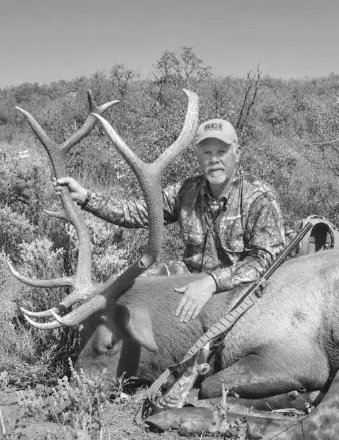
BIG BAY, MI – Stuart M. “Stu” Bennett, 76, of Big Bay, passed away peacefully on Tuesday, November 17, 2026, at his home, surrounded by his loving family and under the compassionate care of Lake Superior Home Health and Hospice. Stu was born on May 15, 1950, in Marquette, Michigan, to Dr. Matthew C. and Claire (MacNaughton) Bennett. He graduated from Northern Michigan University in 1973 with a degree in education, beginning a teaching career that would touch the lives of countless students. For 30 years, Stu taught science at Bothwell Middle School, where he was known for bringing learning to life. One of his favorite traditions was taking seventh-grade students fishing during their annual Bay Cliff experience. He introduced generations of children to the beauty of the outdoors, guiding them to various fishing spots throughout Big Bay, including Conway Lake, where his family’s beloved camp still stands.
This excerpt comes from the named source. Read the original for the full reporting.
Read the original at The Mining Journal
