Local
Taja Young’s Journey into Dental Assisting
A Roundtable is a way to meet new people and discuss this article in person at a local coffee shop or other venue.
Roundtables are designed for groups of four, with a shared subject and room for everyone to speak. Come for discussion, with no dating expectation.
Source: Mesabi Tribune
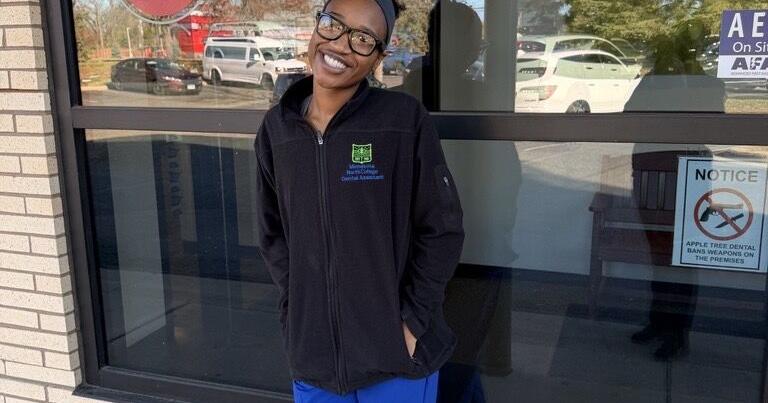
For as long as she can remember, Taja Young knew she wanted to work in healthcare. Helping people was something she cared deeply about, but traditional paths such as nursing never felt quite right. “I didn’t want the stress that came with some of the traditional healthcare professions,” Taja said. “I wanted something different.” That “something different” ended up being right in front of her all along. As a child, Taja actually enjoyed going to the dentist. While most kids focused on getting in and out of the chair as quickly as possible, she found herself fascinated by what was happening around her. She was curious about the tools being used, the procedures being performed, and the way dental professionals worked together to care for patients. That curiosity eventually grew into a career goal. After graduating from high school in 2020, Taja began pursuing dental assisting at a two-year college in the Minneapolis area.
This excerpt comes from the named source. Read the original for the full reporting.
Read the original at Mesabi Tribune


