Local
Take the thyme get to know these Ohio LGBTQ+ BIPOC chefs who are a cut above and seasoned to perfection
A Roundtable is a way to meet new people and discuss this article in person at a local coffee shop or other venue.
Roundtables are designed for groups of four, with a shared subject and room for everyone to speak. Come for discussion, with no dating expectation.
Source: The Buckeye Flame
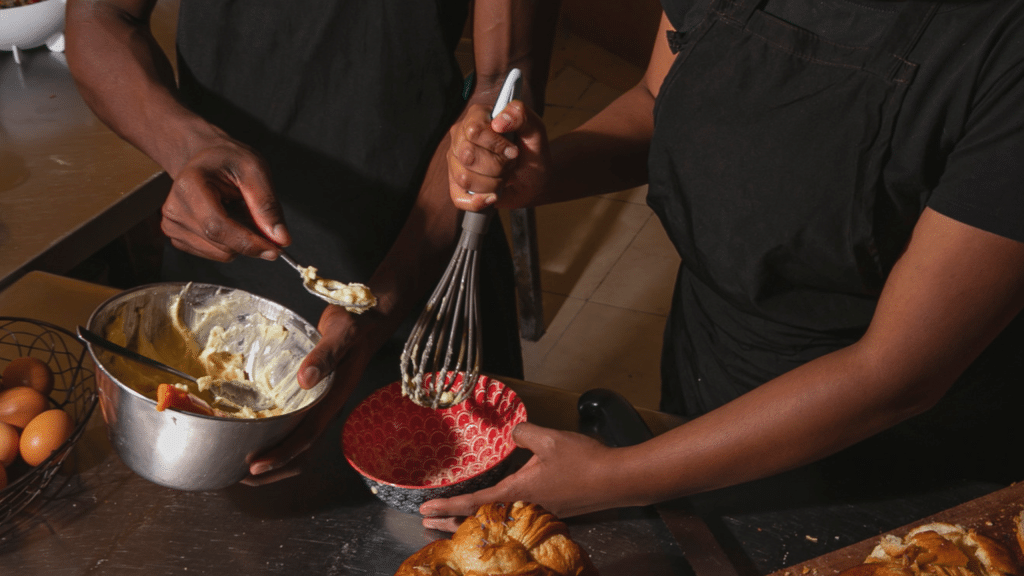
From breakfast favorites and baked goods to bold flavors and culinary experimentation, LGBTQ+ BIPOC chefs and bakers are bringing more than good food Ohio tables. They’re bringing their identities, cultural influences, family traditions and individual philosophies into kitchens across the state. We caught up with three other culinary creatives to learn what inspires their cooking, the flavors they can’t live without and what makes their approach to food uniquely their own. Dominique Colon works as a chef at The Counter, Cleveland’s first Konbini, a playful take on a Japanese convenience store. She/Her/They/Them | Pansexual | Multiracial (Black/White) | Cleveland, Ohio Q: What do you like most, appetizers, breakfast, brunch, lunch, dinner or dessert and why? A: I love going out for dinners .Q: How old were you when you made your first meal? What was it? A: I was probably 6. I would hang out with my grandma and great grandma a lot.
This excerpt comes from the named source. Read the original for the full reporting.
Read the original at The Buckeye Flame


