Local
Takeaways From the Wahi Kūpuna Sector Survey Project
Meet in Common connects news with real conversations. Use ThinkMatch to arrange a Roundtable and meet people to discuss this story.
Source: Ka Wai Ola
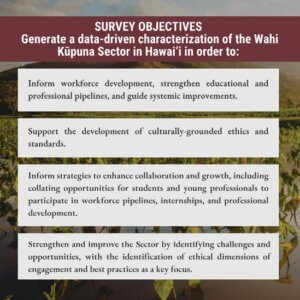
By the Kaliʻuokapaʻakai Collective and Huliauapaʻa Wahi kūpuna are Hawaiian ancestral places and resources, practices, and the knowledge systems inherently tied to them. They encompass the sacred sites where kūpuna rest, the living practices and protocols that sustain connection to them, and the moʻolelo that still speak to us across generations. From 2025 through summer 2026, the Kaliʻuokapaʻakai Collective and Huliauapaʻa worked with Ward Research, Inc., to conduct a survey and generate a data-driven characterization of the Wahi Kūpuna Sector in Hawaiʻi. For the purposes of the project, the “Wahi Kūpuna Sector” is defined as individuals and organizations across a variety of fields and disciplines who are involved in and/or impact the stewardship and protection of wahi kūpuna. The first of its kind in Hawaiʻi, this project focused on gathering information and perspectives from stakeholders across a variety of disciplines and professions, and formal results reporting (Figure 1).
This excerpt comes from the named source. Read the original for the full reporting.
Read the original at Ka Wai Ola